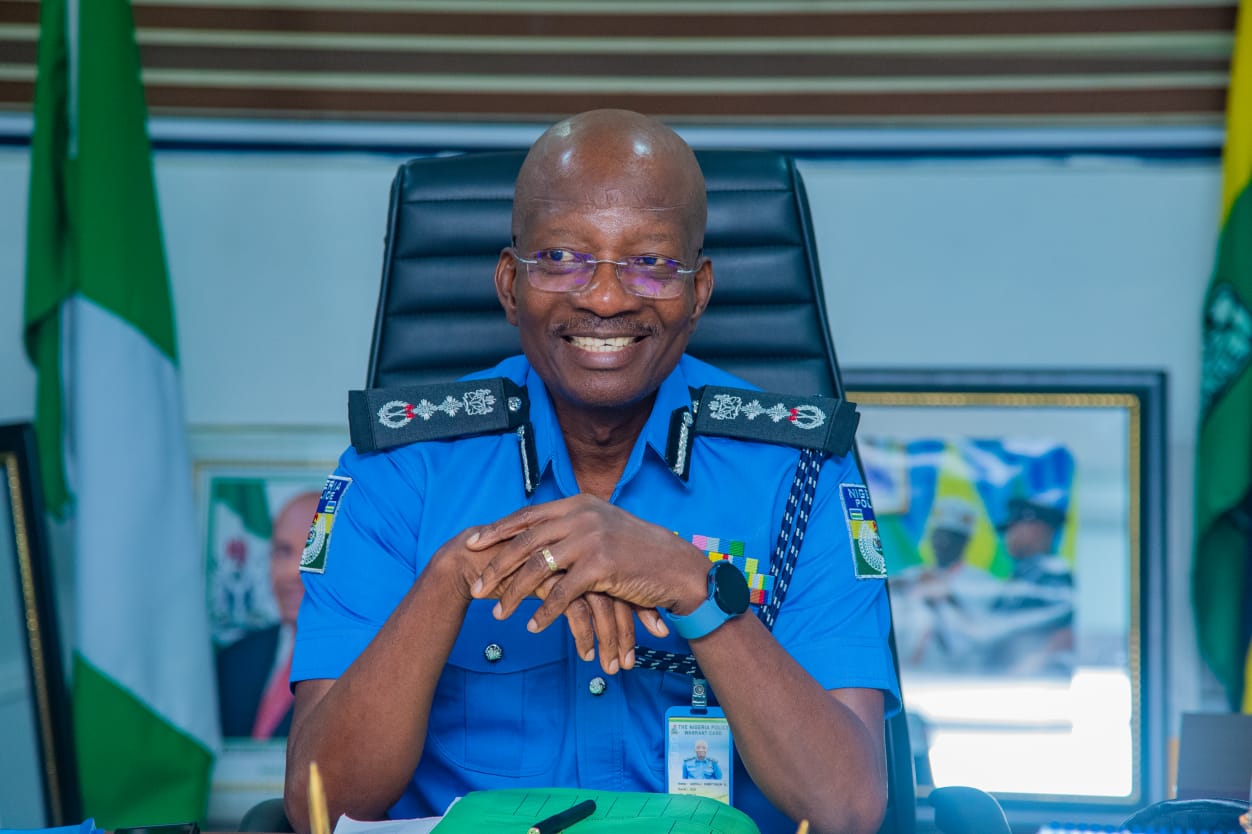
Nigeria has entered a new phase of national security reform as the Police Deployment Reform begins to reshape policing across the federation. The Inspector-General of Police, Kayode Adeolu Egbetokun, has ordered the immediate posting of a newly promoted Deputy Inspector-General and seventeen Commissioners of Police to strategic commands nationwide. This decision reflects a bold effort to strengthen efficiency, improve accountability, and restore public confidence.
Police Deployment Reform now stands as a key pillar of Nigeria’s security renewal. Therefore, the leadership of the Nigeria Police Force continues to focus on results that citizens can see and trust. Moreover, these appointments signal a renewed emphasis on competence, coordination, and operational clarity. Each officer now assumes a role that aligns with experience, expertise, and the urgent demands of national security.
Across the country, insecurity continues to challenge daily life. However, Police Deployment Reform offers a practical response that moves beyond rhetoric. Instead, it prioritizes professional leadership where it matters most. Furthermore, the Inspector-General’s directive ensures that crime prevention receives fresh energy. As a result, police commands can respond faster and work more closely with communities.
The newly deployed Deputy Inspector-General now oversees a critical portfolio that connects regional commands to national strategy. At the same time, the seventeen Commissioners of Police now lead key state and zonal commands. Therefore, each posting reflects a strategic choice. These officers bring experience in intelligence, investigation, and field operations. Consequently, they can deliver stronger results in crime control and public safety.
Police Deployment Reform also strengthens internal discipline. When leadership changes, standards rise. Moreover, officers at every level now see a clear message from the top. Performance matters. Professional conduct remains non-negotiable. Service to citizens must come first.
In addition, the new deployment structure supports teamwork across commands. Coordination between states often defines success against organized crime. Therefore, this reform ensures that borders do not limit enforcement. Instead, information now flows faster. Operations now align better. As a result, criminals face tighter pressure wherever they operate.
Police Deployment Reform also improves service delivery. Citizens want prompt response when they call for help. They want respectful treatment during encounters. They want visible patrols that deter crime. These expectations now guide leadership decisions across the force. Moreover, the Inspector-General has made it clear that professionalism defines the future of policing.
Community trust remains essential. Therefore, these deployments aim to reconnect the police with the people. Commissioners now engage with local leaders, youth groups, and business owners. As a result, policing becomes more inclusive. This approach also strengthens intelligence gathering. People share information when they trust the officers in charge.
Police Deployment Reform also supports economic stability. Businesses need safe streets to thrive. Investors need predictable security. Families need peaceful neighborhoods. Therefore, stronger policing improves every part of national life. Furthermore, a safer Nigeria attracts more opportunity and growth.
The Inspector-General continues to emphasize accountability. Officers who perform well will receive recognition. Those who fail will face consequences. This clear standard builds morale. At the same time, it removes fear of favoritism. Instead, merit guides every decision.
Police Deployment Reform now aligns with broader national goals. The government seeks a stable environment for development. Therefore, security agencies must deliver consistent results. This new deployment supports that vision. Moreover, it positions the Nigeria Police Force as a modern institution ready for today’s challenges.
Citizens have already begun to notice changes. Patrols now appear more coordinated. Response times now improve. Officers now show renewed confidence. These early signs reflect the impact of strong leadership.
In conclusion, Police Deployment Reform marks a decisive moment for Nigeria’s security future. The Inspector-General has chosen action over delay. He has placed capable leaders where they can make the biggest difference. Therefore, Nigerians can look ahead with greater hope. A more professional, responsive, and trusted police force now begins to take shape across the nation.