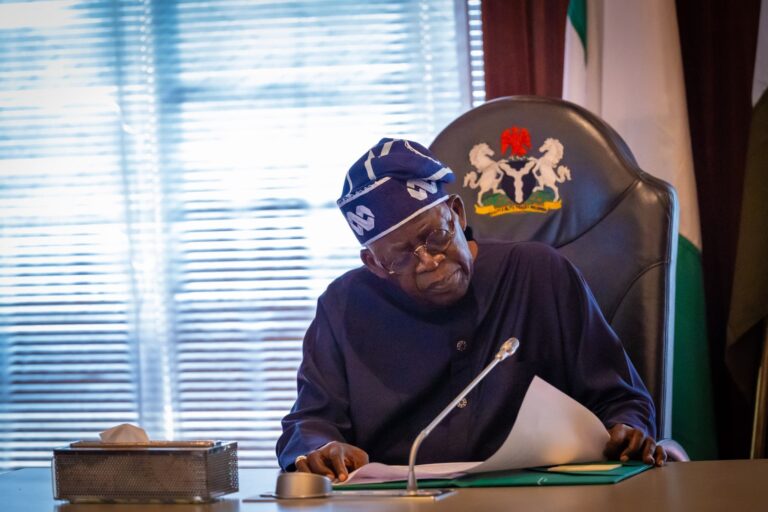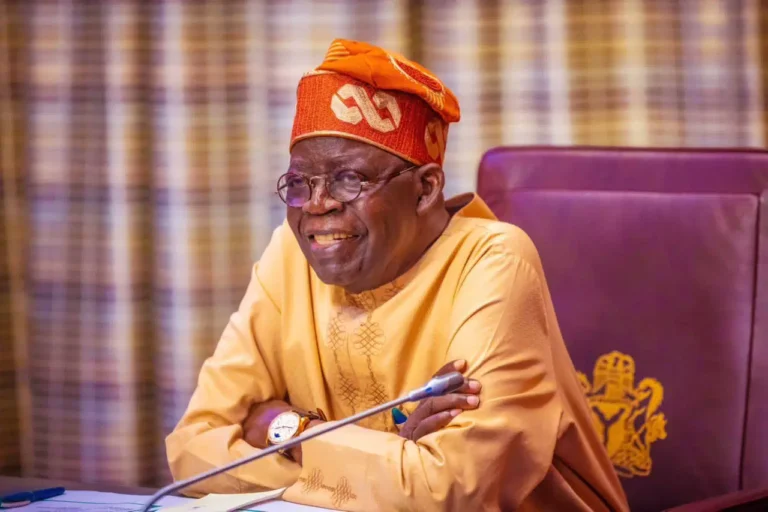
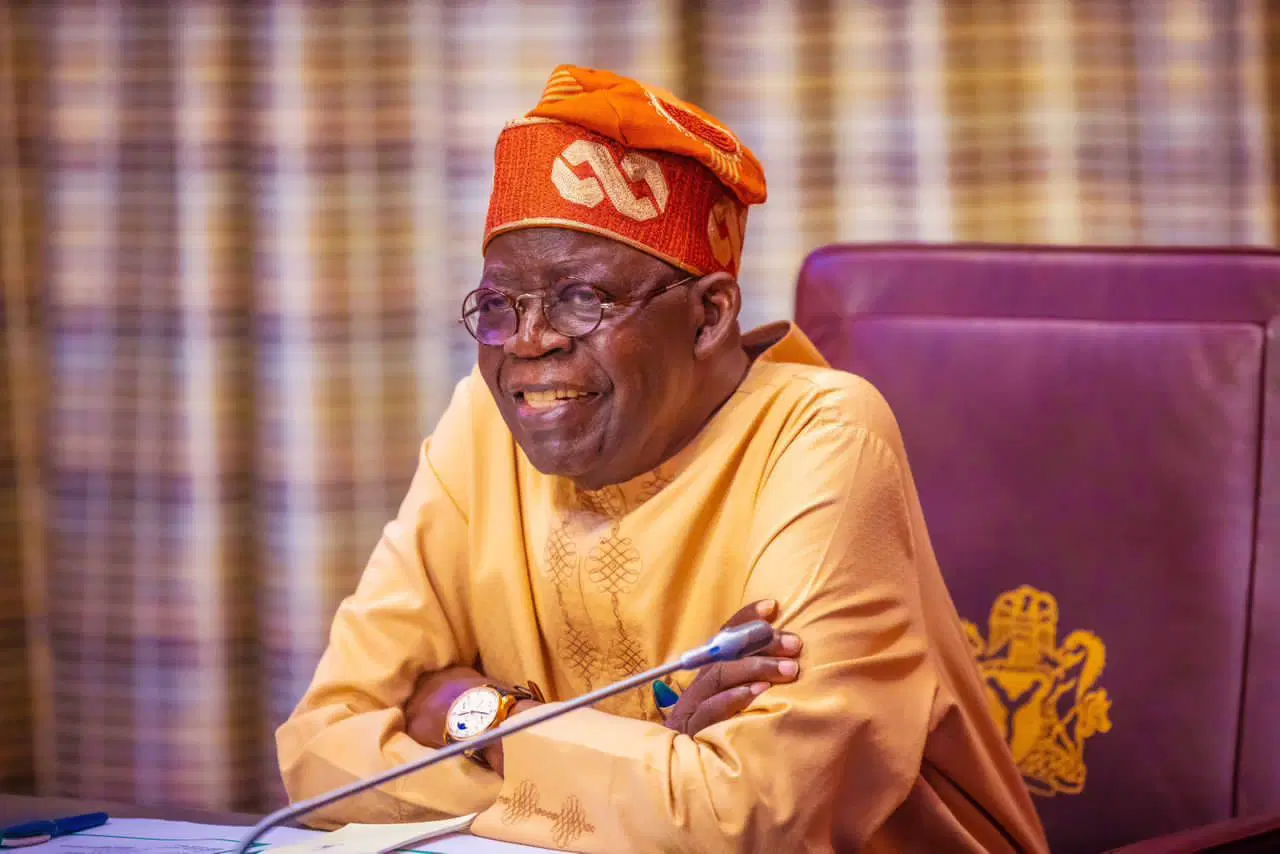
President Bola Ahmed Tinubu is widely viewed as a political strategist and visionary leader. His approach blends coalition-building, policy boldness, and grassroots outreach, drawing comparisons to past national figures.
Background: Political Roots and Rise
Tinubu’s political career began in local Lagos politics before he rose to national prominence. He built alliances across parties and regions. That network and his track record in Lagos provide context for his presidential style.
Distinctive Leadership Traits
- Strategic coalition building: Tinubu assembles broad political alliances to secure mandates and push reforms.
- Policy pragmatism: He favours decisive reforms aimed at macroeconomic stability and long-term growth.
- Administrative focus: Tinubu prioritises appointments and structures that align with his policy goals.
- Political resilience: He navigates opposition and bureaucratic hurdles with persistence and tactical adjustments.
- Symbolic vision: Tinubu frames policies as part of a national renewal, appealing to reform-minded constituencies.
Tinubu’s administration often emphasizes fiscal discipline and market-friendly initiatives. He pursues policies intended to attract investment and diversify revenue sources. The focus on infrastructure, security, and technology aims to create a platform for sustained growth.
Analysts liken Tinubu’s political craft to earlier leaders who combined regional influence with national vision. This comparison highlights his capacity to shape political outcomes and mobilize support for ambitious agendas.
Tinubu’s role in party realignment and candidate selection affects legislative dynamics. His influence can fast-track priority bills and shape governance through strategic appointments. This central role sometimes prompts debate about balance between the executive and other institutions.
Bold reforms under Tinubu aim to stabilise the economy and spur private-sector-led growth. Short-term disruptions can follow policy shifts, but the stated goal remains long-term recovery and job creation. Social programs and targeted interventions seek to cushion vulnerable groups.
Tinubu faces scrutiny over policy impacts, governance transparency, and inclusion. Critics call for clearer communication and faster delivery of visible benefits. Managing regional expectations and security concerns remains crucial for political legitimacy.
Tinubu’s leadership style shapes policy direction and investor confidence. His ability to translate strategic vision into tangible outcomes will determine public support and economic momentum. Observers will watch how his administration balances reform with social stability.
Key indicators include progress on infrastructure projects, fiscal performance, security outcomes, and legislative cooperation. Electoral alliances and appointments will also signal Tinubu’s tactical priorities going forward.
Conclusion
President Bola Ahmed Tinubu stands out for his strategic political management and reform-oriented agenda. Whether his vision yields broad economic and social gains will depend on implementation, institutional checks, and the administration’s responsiveness to public needs.