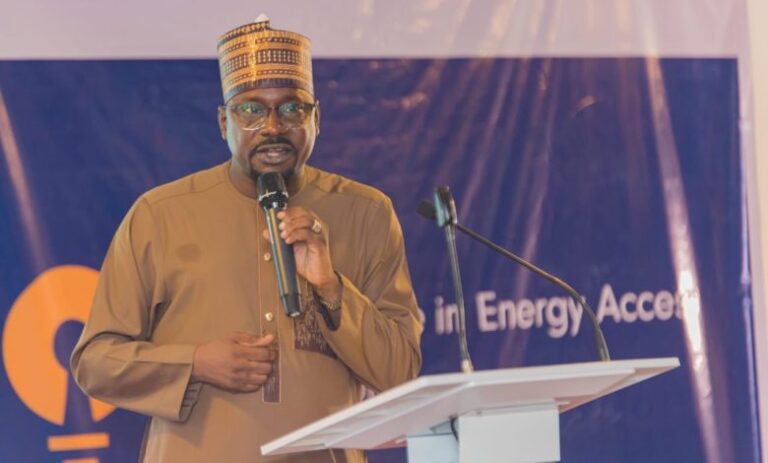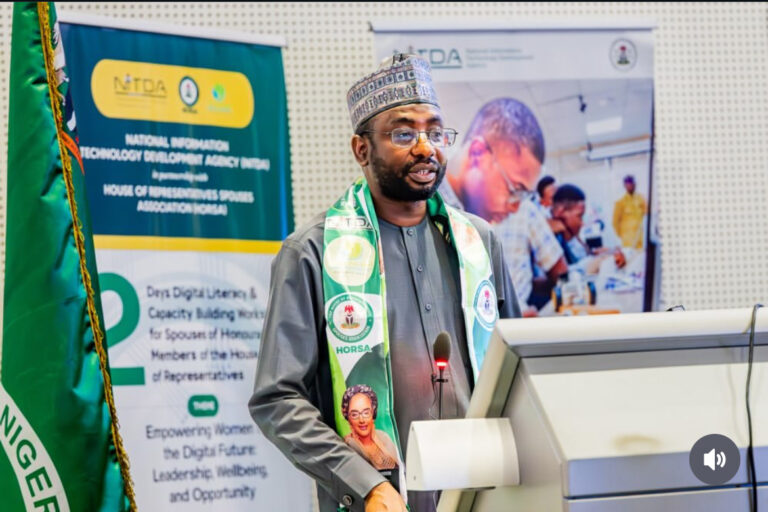

The Security Shift agenda gained fresh momentum as the National Coordinator of the National Counter Terrorism Centre (NCTC–ONSA), Major General Adamu Laka, called for a new, people-centred approach in Nigeria’s fight against terrorism and violent extremism. He stressed that sustainable peace requires informed communities, stronger civic trust, and preventive strategies that address root causes. He also emphasized that military action alone cannot deliver long-term security.
Nigeria continues to confront complex threats across various fronts. Yet, the nation also stands at a decisive moment where innovative thinking can shape a safer future. According to Major General Laka, communities remain the strongest line of defence when empowered with knowledge, understanding, and structured support. Therefore, the country must deepen engagement, enhance early-warning systems, and strengthen collaboration across all sectors.
During his engagement, he highlighted a clear reality. Every society that confronts violent extremism needs an integrated response. Although military operations disrupt immediate threats, community-driven prevention stops radicalisation before it grows. His vision centres on informed citizens working closely with institutions that respect human rights and protect national stability.
Consequently, the NCTC continues to expand strategic programmes that elevate local voices. The Centre works with traditional leaders, civil society groups, youth networks, and women-led organisations. Each partnership strengthens community resilience. It also ensures vulnerable groups receive the right tools to resist extremist influence. This collaborative model now shapes the national framework for preventive counterterrorism.
Furthermore, Major General Laka stressed the importance of transparency. He noted that people trust systems that communicate clearly and act responsibly. Therefore, security agencies must work openly with communities. This approach builds confidence and reduces misinformation. It also encourages citizens to report early warning signs that can prevent violence.
Nigeria’s digital transformation also plays a key role. With more citizens accessing digital platforms, the threat landscape continues to evolve. Extremist groups now exploit digital spaces to spread ideology and target vulnerable individuals. Because of this, NCTC invests in digital literacy, counter-narratives, and community-led online resilience programmes. These efforts help reduce the influence of harmful content while promoting unity and civic responsibility.
Additionally, he encouraged stronger regional cooperation. Terrorism rarely respects borders. Therefore, Nigeria must continue expanding joint initiatives with West African states. Stronger intelligence sharing and combined prevention strategies support a safer and more stable region. He noted that Nigeria’s leadership within these frameworks remains essential for regional peace.
Major General Laka also recognised the importance of economic inclusion. He explained that communities thrive when opportunities grow. Therefore, development programmes must remain linked to security priorities. Better education, job creation, and youth empowerment reduce the appeal of extremist recruitment. This alignment supports a more secure nation built on prosperity and shared purpose.
As the engagement concluded, his message remained clear. Nigeria must embrace a broad strategy that inspires trust, strengthens participation, and encourages national unity. The path to lasting peace requires informed citizens and empowered communities. The Security Shift vision marks a bold step toward that goal and signals Nigeria’s commitment to building a stable and resilient future for all.