
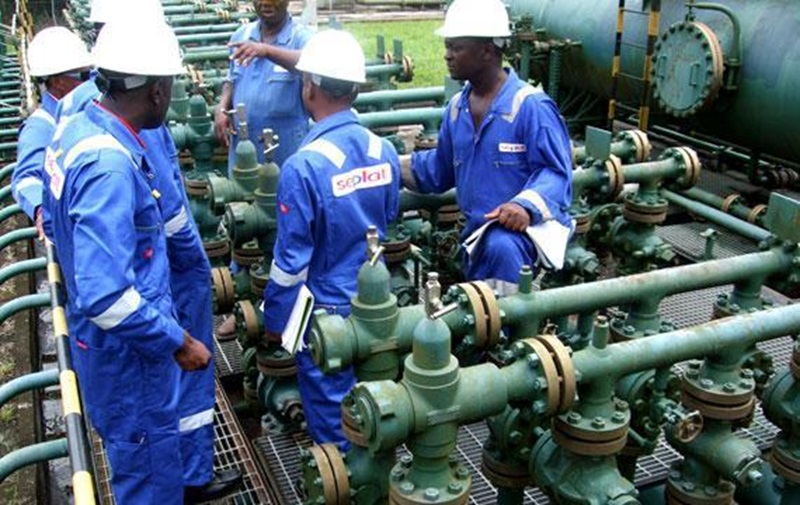
Workers at Seplat Energy, Nigeria’s largest independent oil and gas producer, have begun an indefinite strike, raising concerns over potential disruptions to output at a critical time for the country’s energy sector.
The strike, which started on Friday, involves members of the Petroleum and Natural Gas Senior Staff Association of Nigeria (PENGASSAN), following a breakdown in negotiations over a 2026 collective bargaining agreement and staff welfare issues.
In two letters addressed to the company’s CEO and seen by Reuters, the union said the industrial action would continue “until further notice”.
Seplat Energy did not immediately respond to requests for comment.
PENGASSAN stated that its members would halt most operations, including production reporting and export activities, while maintaining only essential safety and power functions.
The strike affects the company’s onshore and offshore assets, joint-venture operations, and offices nationwide. However, another union representing junior workers is not participating in the action.
Seplat Energy reported an average production of 131,506 barrels of oil equivalent per day in 2025, accounting for approximately 7%–9% of Nigeria’s total liquid output.
The company has projected an increase in production to 155,000 barrels of oil equivalent per day, making any prolonged disruption particularly significant for Nigeria’s supply outlook.
As Africa’s largest oil producer, Nigeria faces mounting pressure to boost crude output, driven by rising global oil prices, fiscal demands, and increased refining capacity from the Dangote refinery, all of which heighten the importance of stable production and export flows.
Faridah Abdulkadiri