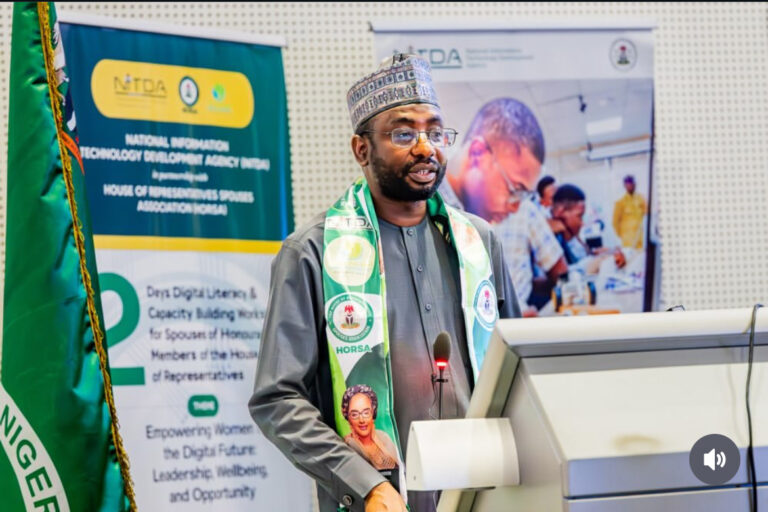

Nigeria’s digital transformation journey continues to accelerate as leaders deepen commitments around digital literacy, youth empowerment, and regional innovation. The latest push came at the Southwest Secretaries to State Governments Meeting, where NITDA’s Director General, Kashifu Inuwa Abdullahi, CCIE, represented by Mr. Babajide Ajayi, reaffirmed the agency’s goal of empowering 30 million Nigerians with digital skills by 2030. The meeting carried a clear message that the Southwest will play a leadership role, driving almost one-third of the national digital literacy target under the DL4ALL programme.
The region now stands at a critical moment. Its long-standing reputation for academic excellence, innovation strength, and vibrant talent pools positions it as a strategic engine for national growth. The renewed collaboration with DAWN Commission provides a strong platform for coordinated execution, improved policy alignment, and accelerated delivery across all six states. This partnership strengthens the foundation for a unified strategy that promotes growth, reduces duplication, and expands opportunities for millions of youths.
The rising importance of digital skills in today’s world gives this programme even greater urgency. Technology now shapes learning styles, business models, economic productivity, and social inclusion. Young Nigerians need strong digital capacity to compete globally, build resilient careers, and support national development. Therefore, leaders in the Southwest see digital literacy as a tool that drives empowerment, innovation, and broad prosperity. Their commitment signals a clear direction and a shared mission.
During the meeting, Ajayi emphasized the region’s unique responsibility and huge potential. He noted that successful implementation requires strategic coordination, reliable infrastructure, and consistent support from state governments. He also highlighted the need for inclusive models that give women, rural communities, and vulnerable groups equal access to digital training. This approach strengthens social cohesion while promoting balanced development.
The DAWN Commission echoed similar views. Its representatives stressed that strong partnerships often shape development outcomes. They expressed confidence that the region can exceed its targets through improved planning, shared resources, and unified execution. Their remarks also underlined a long-term vision that supports economic empowerment, innovation growth, and strong regional competitiveness. This unity strengthens the region’s voice in national conversations and improves its influence in global dialogue.
Across the six states, leaders continue to create stronger digital ecosystems. Several states expand broadband access, while others strengthen innovation hubs and enhance digital education. Many also review existing programmes to ensure better alignment with the DL4ALL roadmap. These actions show a clear determination to drive meaningful progress. They also demonstrate how good policy direction often stimulates inclusive participation and stronger public trust.
Every stakeholder understands that a digital future demands strong collaboration. Federal agencies bring strategic direction, while state governments provide local insight and execution speed. The private sector adds innovation, investment, and technical depth. Development partners supply global knowledge and essential support. Communities supply the energy needed to sustain momentum. This blend forms a powerful coalition that can deliver long-lasting impact.
Nigeria’s vision of a strong, inclusive digital economy depends on constant investment in people. Digital literacy builds confidence, expands opportunity, and unlocks creativity. It supports entrepreneurship and strengthens competitiveness and it helps young Nigerians find global roles without leaving their communities. It also drives productivity across every sector, from education to agriculture and manufacturing. Therefore, sustained commitment remains vital.
The Southwest continues to show readiness to lead this transformation. Its leaders demonstrate clarity, unity, and purpose. Their actions reflect a strong drive for excellence and a clear belief in the region’s potential. As efforts deepen, Nigeria moves closer to a future where digital skills empower every citizen, strengthen every community, and support national prosperity.