In a strong-worded statement that has ignited discussions across Nigeria’s energy sector, the Minister of State for Petroleum Resources (Oil), Senator Heineken Lokpobiri, has raised concerns over what he described as the frequent and often unnecessary summoning of International Oil Companies (IOCs) by the National Assembly. According to him, these actions risk creating an unstable investment climate for Nigeria and could ultimately hinder the nation’s economic growth.
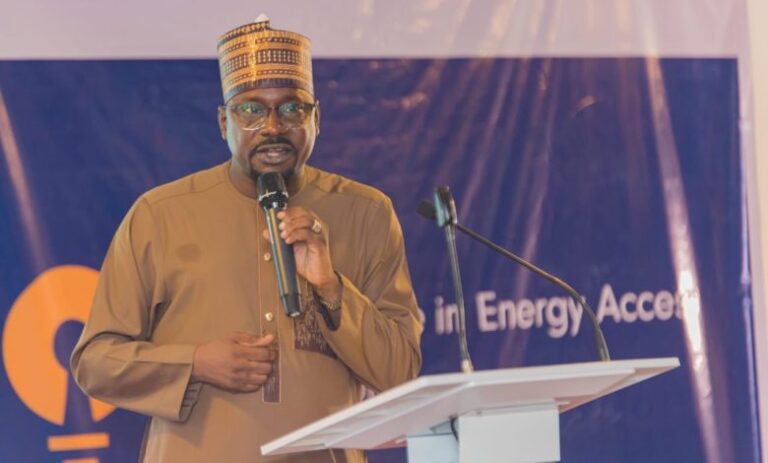
Senator Lokpobiri made this assertion while speaking at the opening ceremony of the Nigeria Oil and Gas (NOG) Conference and Exhibition 2025 in Abuja. The annual event, widely regarded as the flagship gathering of key stakeholders in Nigeria’s oil and gas industry, was attended by top government officials, energy experts, foreign investors, and representatives of multinational oil firms.
Addressing delegates at the conference, Lokpobiri did not mince words. He pointed out that the growing trend of summoning major oil firms before parliamentary committees — often without prior consultation with the Ministry of Petroleum Resources — sends the wrong message to the international investment community. “Such actions,” he said, “can be interpreted as signs of regulatory uncertainty and political interference, which deter serious investors from committing long-term capital to our oil and gas sector.”
He noted that in several instances, oil companies have been invited by lawmakers to answer questions about contracts, agreements, or decisions that were made nearly two decades ago. He argued that these issues, while important, should first be addressed internally within the relevant government institutions before escalating them to public hearings.
“There must be better coordination between the National Assembly and the Ministry of Petroleum Resources,” Lokpobiri stressed. “While legislative oversight is crucial, it should not come at the cost of disrupting investor confidence or destabilizing existing partnerships that are critical to the country’s economic future.”
The minister’s comments reflect a broader concern within Nigeria’s oil and gas sector: the urgent need for consistency, transparency, and investor-friendly practices. With Nigeria seeking to attract new investments to boost oil production, refine crude locally, and harness its gas potential, the role of stable governance cannot be overstated.
He further emphasized that Nigeria cannot afford to be seen as a hostile environment for business, especially at a time when global competition for energy investments is intensifying. Countries like Angola, Guyana, and Namibia are increasingly being seen as attractive destinations for oil and gas investments due to their investor-friendly policies and stable regulatory environments.
“Nigeria must position itself strategically,” Lokpobiri advised. “We have the resources, we have the talent, and we have the infrastructure. What we need now is coherence in policy and unity of purpose among all stakeholders — the executive, the legislature, and the private sector.”
As the NOG 2025 conference continues, industry watchers will be paying close attention to how these remarks influence ongoing policy discussions. Lokpobiri’s bold call for legislative restraint and smarter engagement with oil companies could mark a turning point in how Nigeria manages the delicate balance between oversight and investment appeal.
Ultimately, the message is clear: Nigeria needs to speak with one voice if it intends to remain competitive in the evolving global energy landscape.