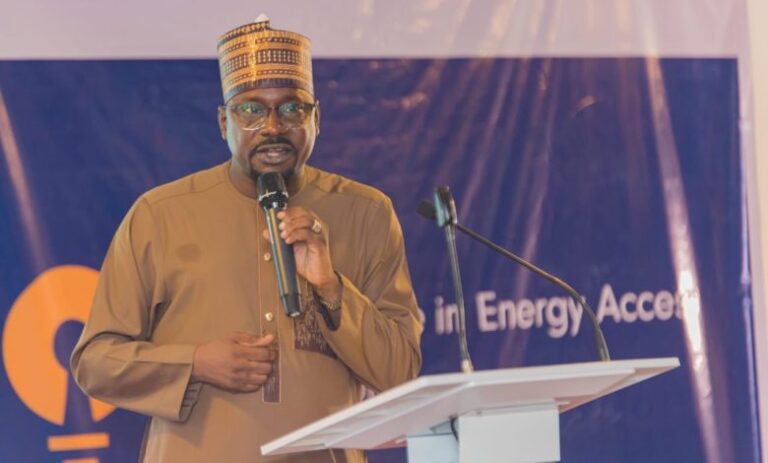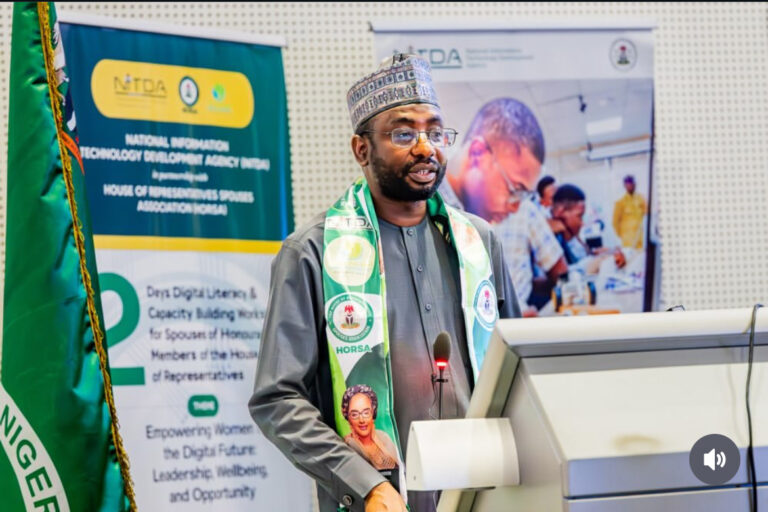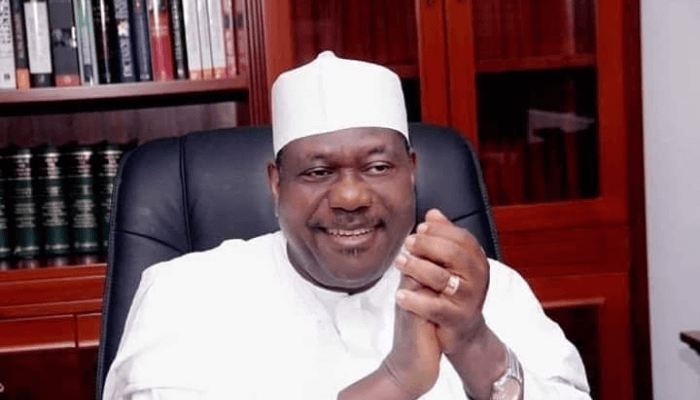

A cross section of the Special Guest of Honour and invited guests gathered for the official unveiling of the National Counter Terrorism Centre’s Strategic Plan 2025–2030, a milestone event that reaffirmed Nigeria’s determination to strengthen national security through coordinated, forward-thinking action. The ceremony brought together key leaders from government, security institutions, and civil society, and it offered a unique platform to highlight how a united approach can reshape the country’s security architecture. Additionally, the gathering underscored the urgency of adopting modern, intelligence-driven solutions that match the complexity of today’s threats.
The unveiling also created space for deeper conversations on counter-terrorism reforms. Many participants noted that Nigeria stands at a decisive moment where strong policies must translate into measurable results. Therefore, the Strategic Plan 2025–2030 was introduced as a blueprint for smarter operations, stronger partnerships, and better coordination across all security levels. Through this plan, the Centre aims to drive a proactive strategy built on prevention, early detection, rapid response, and community-based cooperation.
Moreover, the event highlighted the commitment of the Federal Government to build a resilient national framework. Speakers stressed that terrorism evolves quickly, and Nigeria must evolve even faster. Because of this, the plan places emphasis on intelligence sharing, technology-enabled monitoring, and structured collaboration with both national and regional partners. It also outlines new priorities for training, resource deployment, strategic communication, and public awareness—all vital tools for addressing emerging threats.
In addition, the gathering helped energise conversations around inter-agency synergy. Representatives of the armed forces, police, intelligence units, and emergency services all agreed that cooperation, not competition, remains the key driver of effective counter-terrorism. Many applauded the Centre for creating a clear roadmap that strengthens coordination and clarifies roles, ensuring that every institution contributes its expertise without duplication or delay. This alignment, they argued, will help Nigeria respond faster and reduce the risks faced by citizens in vulnerable communities.
The ceremony also encouraged civil society partners, private organisations, and development agencies to play stronger roles. Participants noted that sustainable peace requires more than military strength. It also requires community trust, economic opportunities, education, and social resilience. Therefore, the Strategic Plan includes approaches that blend security operations with community engagement, early-warning systems, and targeted prevention programmes. This inclusive angle ensures that citizens become part of the solution rather than silent observers.
Furthermore, the event reinforced Nigeria’s commitment to global best practices. Many international partners welcomed the plan’s focus on transparency, accountability, and evidence-based strategies. They also expressed readiness to support Nigeria with capacity building, research, and technical resources that can help the country address evolving security dynamics more effectively.
Overall, the official unveiling of the National Counter Terrorism Centre’s Strategic Plan 2025–2030 signalled renewed hope and stronger national resolve. It marked an important step toward a safer, more stable Nigeria. With clear direction, sustained collaboration, and strong political will, the country is positioning itself to build a future where security challenges are confronted with unity, innovation, and determination.