
Nigeria is taking decisive steps to reinforce its digital infrastructure. Reliable connectivity now underpins economic growth. National resilience increasingly depends on strong digital networks. Therefore, investment in critical infrastructure remains essential.
The Nigerian government is currently in advanced discussions with Google over the deployment of a new undersea cable. The proposed project aims to strengthen the country’s digital connectivity and improve network resilience across key sectors.
The planned cable would augment Nigeria’s existing undersea links with Europe. Expanding these connections reduces dependency on limited routes. It also improves redundancy and stability within the national broadband ecosystem. Consequently, businesses, public institutions, and citizens benefit from more reliable access.
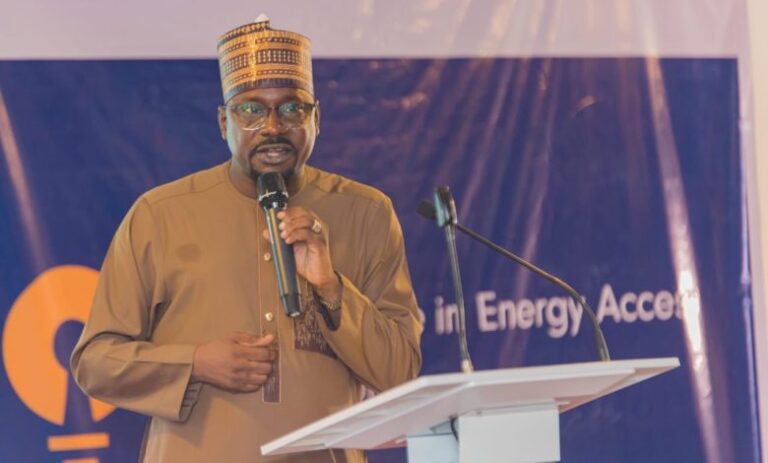
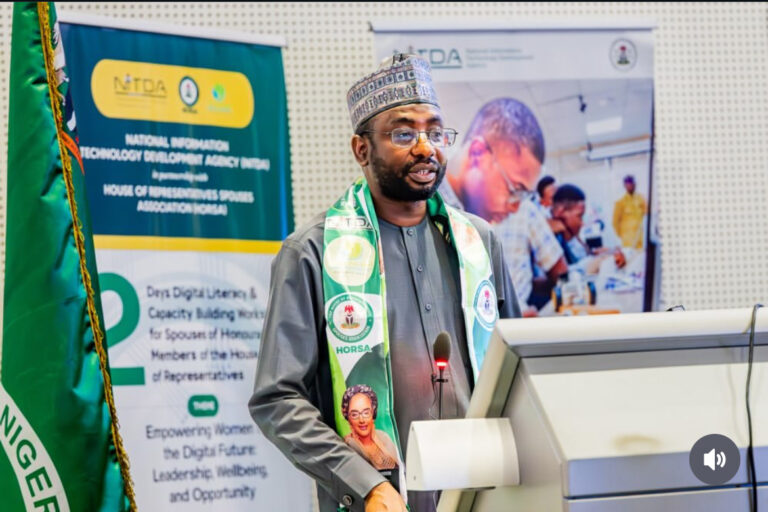
According to Bloomberg, the development was disclosed on Tuesday by the chief executive of the National Information Technology Development Agency, Kashifu Inuwa Abdullahi. He noted that Nigeria seeks to complement existing subsea infrastructure rather than rely on a single corridor.
Strengthening connectivity aligns with Nigeria’s broader digital economy agenda. Robust international links support cloud services, data centres, and cross-border digital trade. Improved capacity also enhances service quality for startups, enterprises, and government platforms.
Undersea cable expansion supports resilience against disruptions. Multiple routes help maintain service continuity during outages. This reliability becomes increasingly important as digital services expand nationwide.
The talks with Google reflect growing private-sector confidence in Nigeria’s digital market. Global technology firms increasingly view Nigeria as a strategic hub. Strong infrastructure further reinforces that position.
NITDA continues to play a coordinating role in digital infrastructure policy. The agency ensures that projects align with national standards, security considerations, and long-term development goals. This oversight promotes sustainable outcomes.
Beyond connectivity, the initiative supports inclusion. Improved bandwidth enables broader access to online services. Education, healthcare, and innovation ecosystems benefit directly. As access improves, digital participation expands.
The proposed undersea cable also complements investments in terrestrial fibre networks. Together, these systems strengthen end-to-end connectivity. They create a foundation for future technologies and digital services.
Nigeria’s engagement with Google signals ambition and preparedness. It reflects a forward-looking approach to infrastructure planning. It also demonstrates commitment to building a resilient digital economy.
As discussions progress, expectations remain high. Strong partnerships, clear policy alignment, and strategic investment will determine success. If realised, the new cable could mark another milestone in Nigeria’s digital transformation journey.