The Federal Inland Revenue Service has renewed its call for stronger tax compliance as Nigeria prepares for major income tax adjustments in 2026. The agency clarified important details during a recent webinar, and the message offered clear guidance for businesses seeking clarity. The session, titled “Income Taxes: Expected Changes in 2026 and How to Stay Compliant,” attracted broad attention because many companies needed urgent answers.
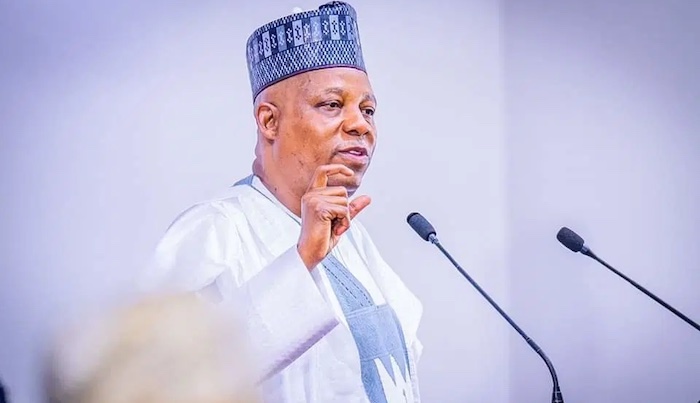
Deputy Director Kehinde Kajesomo explained the rules with sharp clarity, and his guidance set the tone for the country’s next phase of tax reform. He noted that small companies will enjoy full corporate income tax exemption from 2026. He stressed, however, that exemption never removes the responsibility to compute taxable income. He added that every company must still file self-assessment returns each year.
The distinction between tax exemption and zero percent liability confused many operators before the webinar. Kajesomo addressed this immediately, and his explanation encouraged stronger engagement from participants. He stated that the government designed the upcoming framework to support growth while maintaining transparent reporting structures. He emphasized that Nigeria’s tax system cannot advance without consistent documentation.
In addition, he highlighted the importance of early preparation. He urged companies to strengthen record-keeping processes now, and he encouraged them to invest in better accounting systems. He stated that the country expects cleaner data flow as reforms evolve. Consequently, the service wants companies to remain ahead of the curve.
Kajesomo also noted that many operators misunderstand their obligations. He clarified that exemption only removes payment, and it never removes compliance duties. Therefore, every company must prepare accurate income statements, compute potential liabilities, and submit full documentation on schedule. He added that accurate filings protect companies during audits and disputes. Moreover, clean records help owners secure loans, attract investors, and maintain public trust.
He also reassured participants that the agency will intensify public engagement. FIRS will expand training programmes, release simplified guides, and host more digital workshops. These efforts aim to strengthen confidence before the 2026 transition. Furthermore, he explained that Nigeria wants to avoid last-minute confusion, so the agency plans to increase awareness campaigns nationwide.
He stressed that Nigeria needs stronger tax culture to fuel sustainable development. He added that improved compliance supports infrastructure, healthcare, education, and digital transformation. Because of this, the government intends to streamline procedures and reduce unnecessary bottlenecks. He also stated that the agency will push for more automation. This shift will reduce errors and improve processing speed.
Additionally, he discussed the importance of collaboration between tax authorities and businesses. He noted that both sides must build trust. Therefore, FIRS will keep communication channels open, and companies must respond with accurate information. This partnership will strengthen Nigeria’s revenue outlook and encourage investor confidence.
He ended the session with a strong call to action. He encouraged all companies to study the emerging rules carefully. He also urged them to train staff and adopt better financial tools. Through these steps, businesses will navigate the 2026 reforms with confidence.
Ultimately, Nigeria aims to build a modern revenue system that supports growth, encourages fairness, and protects small businesses. With clear guidance and stronger tax compliance, the country moves closer to that goal.