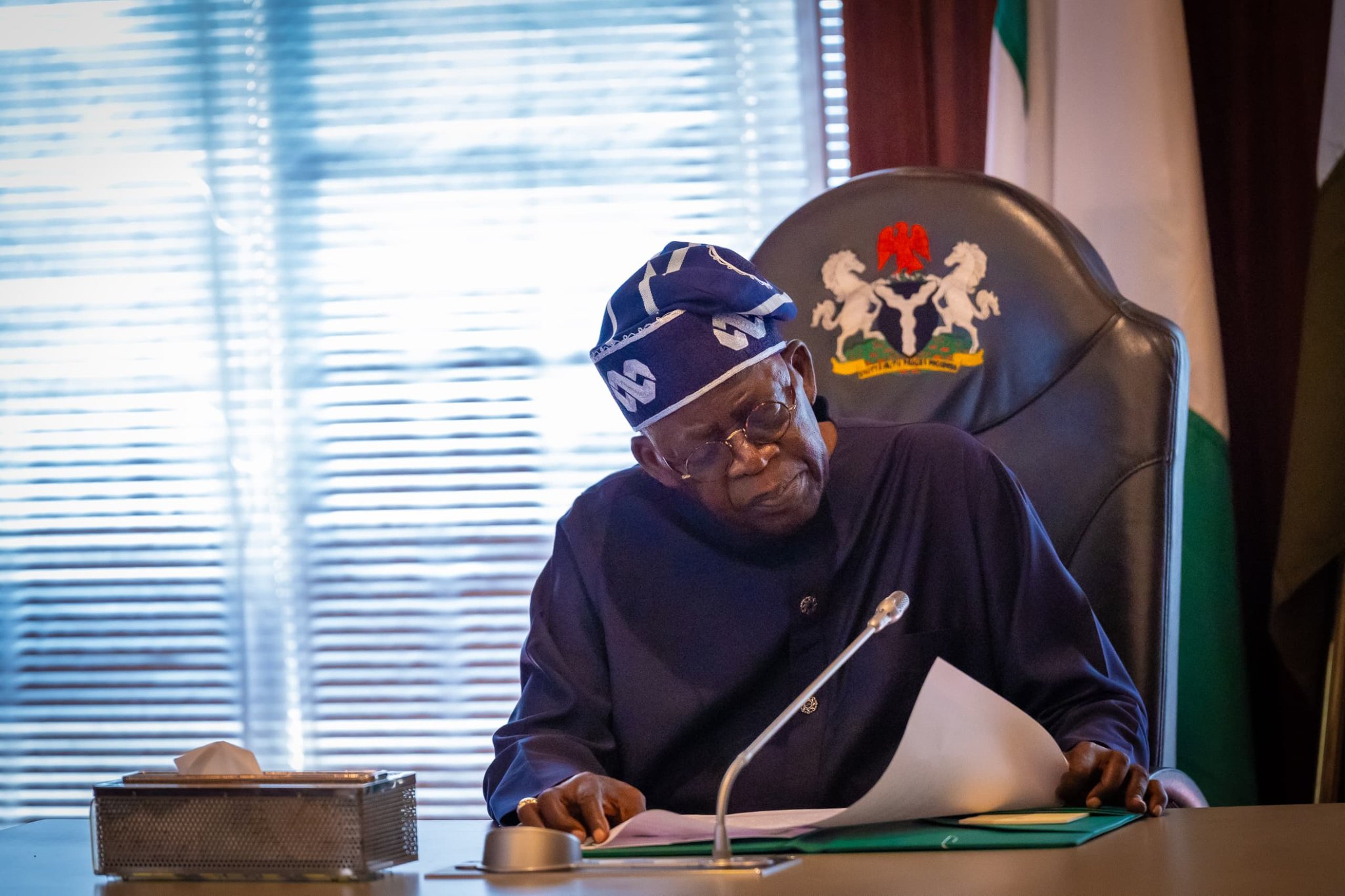
President Tinubu has approved a ₦3.3 trillion settlement plan to clear debts in Nigeria’s power sector accumulated over a decade. The announcement, made on April 5, 2026, represents a final and verified resolution of liabilities that accrued between February 2015 and March 2025. This massive financial intervention, part of the Presidential Power Sector Financial Reforms Programme, aims to restore liquidity and investor confidence in a sector long crippled by “reconciled” debt obligations.
Strategic Debt Settlement and Implementation
The ₦3.3 trillion resolution followed a comprehensive review and verification process to ensure a “fair and transparent” exit for all parties. Implementation of the repayment plan has already begun, with 15 power generation companies (GenCos) signing settlement agreements totaling ₦2.3 trillion.
The Special Adviser on Energy to the President, Olu Arowolo-Verheijen, emphasized that this program is about more than just debt clearance. It is a strategic move to ensure that gas suppliers are paid and power plants can sustain operations. By injecting this liquidity, the government expects to see more stable electricity generation, moving away from the frequent grid collapses and “load shedding” that characterized the first quarter of 2026.
Restoring Confidence and Economic Growth
The primary objective of the ₦3.3 trillion rescue is to “Restore Confidence” across the entire energy ecosystem. With the settlement of these legacy debts, the government is paving the way for a more reliable electricity supply to homes and businesses. The presidency noted that stable power is a prerequisite for the success of the “Renewed Hope“ economic agenda.
This intervention is also linked to a broader set of reforms, including:
- Improved Metering: Ensuring consumers only pay for what they use.
- Service-Based Tariffs: Linking electricity costs directly to the quality and duration of supply received.
- Prioritized Supply: Directing power to industrial hubs to stimulate job creation and support livelihoods.
A Backstory of Financial Volatility
For over ten years, the Nigerian power sector was trapped in a “Cycle of Indebtedness” that prevented necessary infrastructure upgrades. The inability of the Nigerian Bulk Electricity Trading (NBET) to meet its obligations led to a massive shortfall in gas supply. The national generation had dropped to an average of 4,300 megawatts, far below the installed capacity of 13,000 megawatts.
While the Association of Power Generation Companies (APGC) had previously reconciled a debt of ₦4 trillion. The final agreed figure of ₦3.3 trillion represents a verified “Full and Final Settlement.” President Tinubu’s decision to move forward with this payment plan is seen as a definitive break. This backstory underscores why the current bailout is viewed as a “Rescue Operation” for the nation’s energy future.
Conclusion – Tinubu Approves ₦3.3trn Power Sector Rescue
As the government concludes the Series I payments, it has confirmed that Series II will commence within the current quarter. This phased approach is intended to maintain fiscal discipline while ensuring a steady flow of cash. The NRS and the Ministry of Finance are working together to ensure that the settlement is managed without causing inflationary spikes.
For the average Nigerian, the ₦3.3 trillion unlock offers a firm promise of “Brighter Days” ahead. With the liquidity crisis addressed, the focus now shifts to the technical rehabilitation of the national grid. President Tinubu’s administration remains committed to transforming the power sector into a reliable engine for national development. They hope to ensure that the dark days of persistent outages finally become a thing of the past.