When President Bola Ahmed Tinubu assumed office in 2023, he did not inherit a stable or comfortable political landscape. Nigeria was grappling with heavy public debt, dwindling oil revenues, exchange rate instability, and rising insecurity. Inflation was already straining households, and public trust in governance was fragile. Rather than easing into office with cautious, politically safe decisions, Tinubu confronted structural problems immediately. His approach signaled that his administration would prioritize long-term reform over short-term popularity.
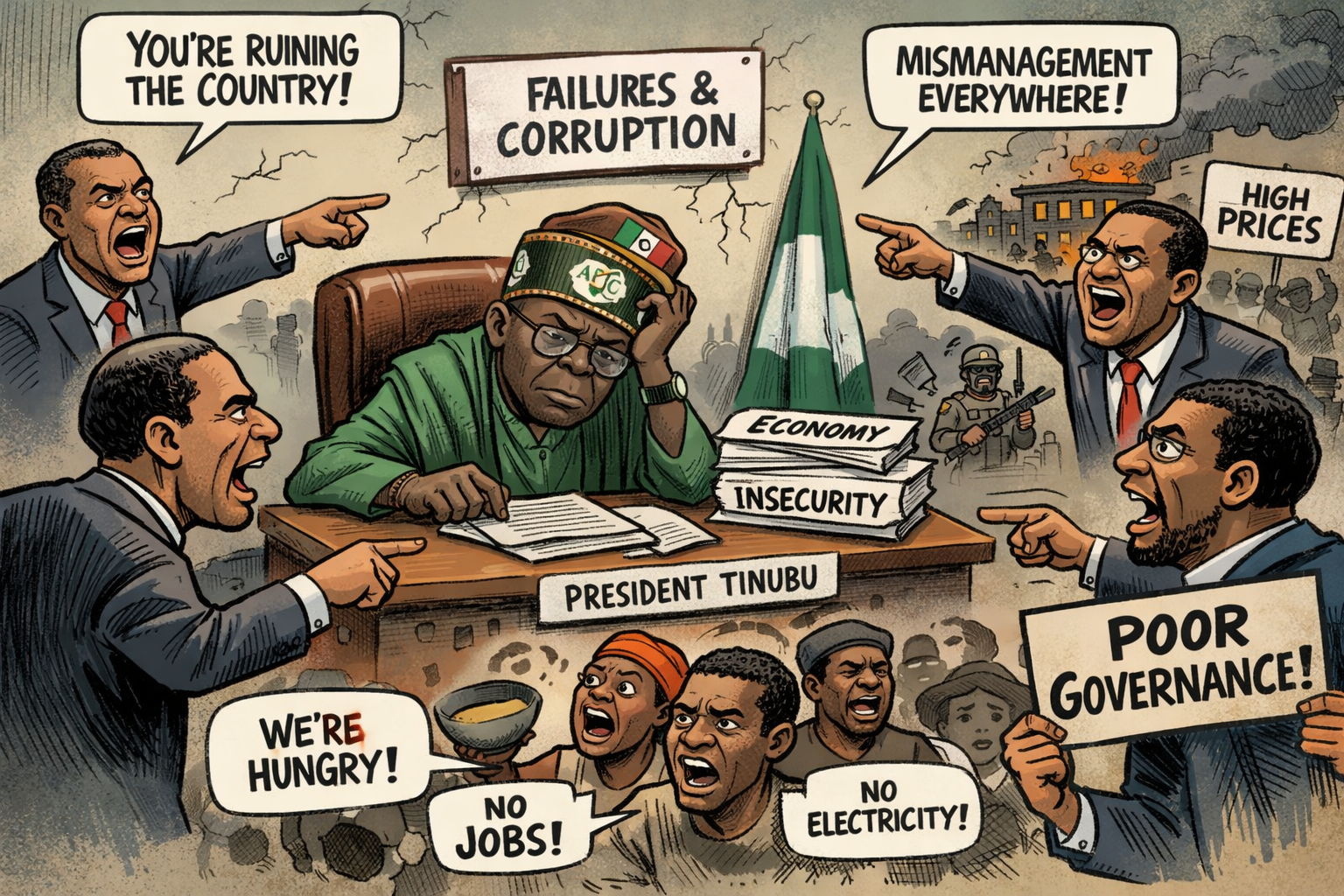
Critics argue that the speed of his reforms worsened economic hardship. Supporters counter that delaying these reforms would only have deepened the crisis. The debate surrounding his presidency often begins here: Was bold action necessary, or was it too abrupt?
Fuel Subsidy Removal: Painful but Decisive
Perhaps the most controversial decision of his presidency was the removal of fuel subsidies. For decades, subsidy payments drained government resources, with billions spent annually to keep fuel prices artificially low. Multiple administrations acknowledged that the system was unsustainable, yet none fully dismantled it.
Tinubu ended the subsidy regime almost immediately after taking office. The result was a surge in fuel prices and transportation costs, triggering public frustration. However, supporters maintain that subsidy removal freed up funds for infrastructure, social support programs, and increased allocations to state governments. They argue that the policy addressed long-standing fiscal inefficiencies and signaled a willingness to make difficult decisions that others avoided.
Foreign Exchange Reform and Economic Transparency
Another major reform was the unification of Nigeria’s exchange rate system. Previously, multiple exchange rates created room for speculation, arbitrage, and alleged corruption. By consolidating the rates, Tinubu’s administration aimed to improve transparency and attract foreign investment.
The policy initially led to volatility in the value of the naira, intensifying criticism from opposition figures who described it as economic mismanagement. However, financial analysts have argued that transparent currency systems are essential for investor confidence and sustainable growth. Supporters believe this reform laid the groundwork for a more stable financial future, even if short-term adjustments proved difficult.
Infrastructure as a Generational Investment
Large-scale projects such as the Lagos-Calabar Coastal Highway have sparked debate over cost and priority. Opponents question whether such ambitious infrastructure spending is appropriate during economic hardship. Yet Tinubu’s allies frame these projects as long-term investments designed to stimulate job creation, improve trade routes, and modernize Nigeria’s economic framework.
Infrastructure development often draws skepticism during construction phases. History, however, has shown that transformative projects frequently face criticism before their full impact becomes clear. Supporters argue that strategic infrastructure is essential for unlocking Nigeria’s economic potential.
Democratic Scrutiny and Institutional Validation
Tinubu’s electoral victory faced tribunal challenges, reflecting Nigeria’s vibrant and contested democratic environment. Ultimately, the courts upheld the election results, reinforcing institutional processes. While opposition criticism has remained intense, supporters note that legal review and judicial affirmation demonstrate democratic resilience rather than instability.
In a political climate marked by intense scrutiny, Tinubu’s administration continues to operate under constant examination. Some view this as controversy; others see it as democracy in action.
Reform Over Popularity
A defining characteristic of Tinubu’s presidency has been his apparent willingness to endure public backlash in pursuit of structural change. Rather than governing by opinion polls, his administration has focused on fiscal restructuring, tax reforms, and revenue diversification beyond oil dependency.
The cost-of-living crisis and inflation remain pressing concerns. Yet supporters argue that these challenges are transitional consequences of long-delayed reforms. They believe that sustainable economic recovery requires short-term sacrifice.
A Legacy Still Being Written
Whether Tinubu’s policies will fully achieve their intended outcomes remains a matter of debate. However, few dispute that his presidency has been marked by decisive action. His leadership style has attracted strong criticism, but it has also demonstrated political boldness in addressing systemic issues.
In times of national difficulty, leadership often demands choices that divide opinion. Tinubu’s administration represents a high-stakes gamble on reform. Supporters believe that history may ultimately view this period not as one of mismanagement, but as a turning point toward structural transformation.