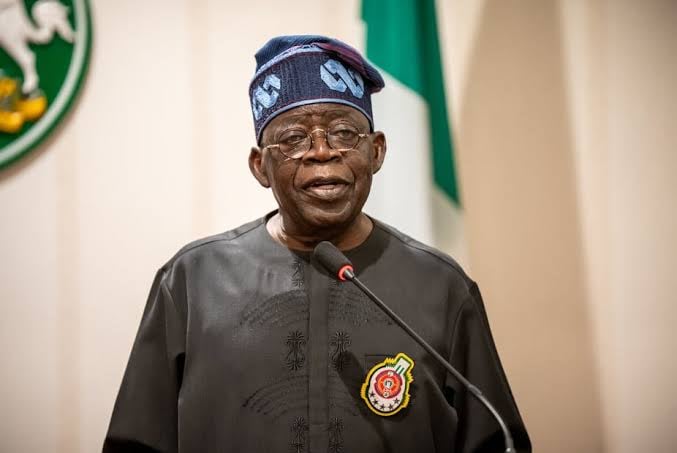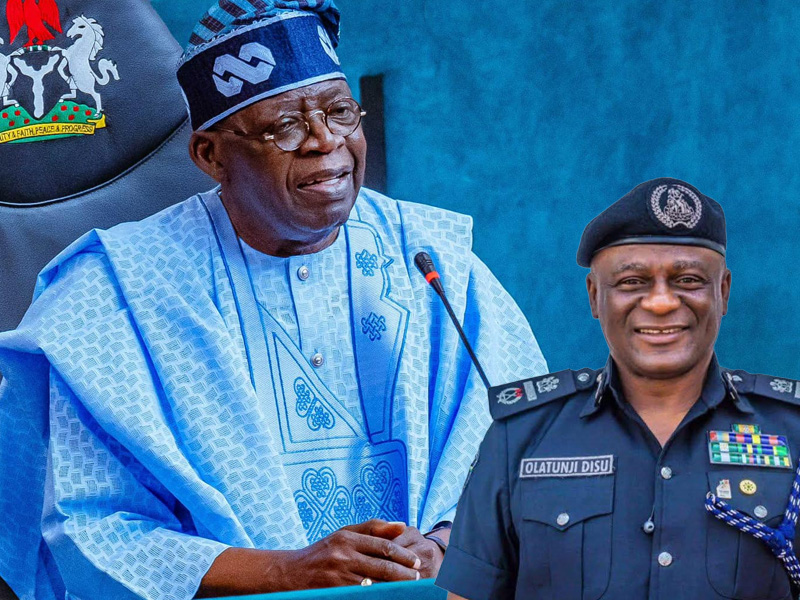
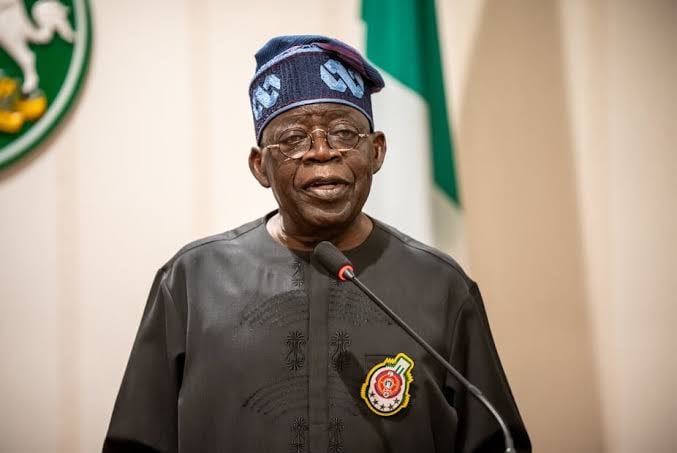
President Bola Tinubu on Monday emphasized Nigeria’s enduring unity across faiths while hosting state governors for an interfaith fast-breaking at the Presidential Villa, Abuja. He noted that the simultaneous observance of fasting by Muslims during Ramadan and Christians during Lent reflects a shared spiritual discipline and underscores a common humanity among Nigerians.
The President’s message arrives at a moment when national cohesion remains a central governance priority. By highlighting the parallel seasons of abstinence and penitence in Islam and Christianity, Tinubu framed faith not as a divider but as a moral bridge linking citizens across regions and traditions.
A Symbolic Gathering of Leadership and Faith
The interfaith fast-breaking brought together governors from across the federation in a setting that blended governance with spiritual reflection. Tinubu observed that fasting, in both religions, teaches restraint, compassion, and responsibility toward others. These values, he stressed, align with the ethical foundations required for national leadership.
He therefore urged public officials to translate spiritual discipline into inclusive governance. Leaders who internalize sacrifice and empathy, he suggested, can better address citizens’ hardships and aspirations. The gathering thus served both ceremonial and moral purposes.
Convergence of Ramadan and Lent
The concurrence of Ramadan and Lent is relatively uncommon, yet deeply symbolic. Ramadan emphasizes self-purification, charity, and community solidarity. Lent likewise focuses on repentance, sacrifice, and renewal. Tinubu noted that both traditions encourage believers to rise above personal desire and act for collective good.
This overlap, he argued, presents an opportunity for Nigeria to reaffirm interreligious harmony. Citizens observing different doctrines nonetheless share similar ethical journeys. Consequently, the nation’s diversity becomes a source of strength rather than tension.
Unity as a Governance Imperative
Tinubu linked spiritual unity to national development. A society anchored in mutual respect, he stated, can better confront economic and security challenges. Interfaith solidarity reduces mistrust and strengthens social cooperation. These conditions, in turn, support policy implementation and community resilience.
He therefore called on governors to promote tolerance within their states. Local initiatives that encourage interreligious dialogue, he said, reinforce national cohesion. The Presidential Villa event symbolized how political leadership can model this harmony.
Compassion in Policy and Practice
The President also connected fasting’s ethical lessons to governance priorities. Abstinence teaches awareness of deprivation. Charity encourages support for the vulnerable. Reflection promotes accountability. Tinubu urged leaders to embed these principles in social programmes and public service delivery.
Policies addressing poverty, health, and education, he noted, gain legitimacy when rooted in compassion. Citizens respond more positively when government actions reflect shared moral values. The fasting season therefore becomes not only spiritual observance but also policy inspiration.
Nigeria’s Tradition of Religious Coexistence
Nigeria’s history includes both interfaith cooperation and tension. Tinubu’s remarks emphasized the former tradition. Communities across the country routinely celebrate each other’s festivals and support shared civic causes. The President highlighted this legacy as a foundation for future stability.
He encouraged governors to preserve these practices through education and community engagement. Young Nigerians exposed to cooperative religious relations, he argued, are more likely to sustain unity in adulthood. Interfaith respect thus becomes a generational investment.
Conclusion
President Bola Tinubu’s reflection at the interfaith fast-breaking reframed the coincidence of Ramadan and Lent as a national symbol. The parallel seasons of sacrifice and devotion, he said, reveal a shared humanity binding Nigerians across faiths. His call positions spiritual values as a guide for inclusive governance and social harmony.
By urging leaders to translate religious discipline into public compassion, Tinubu linked faith with statecraft. The message affirms that unity, empathy, and service remain essential pillars of Nigeria’s collective progress.