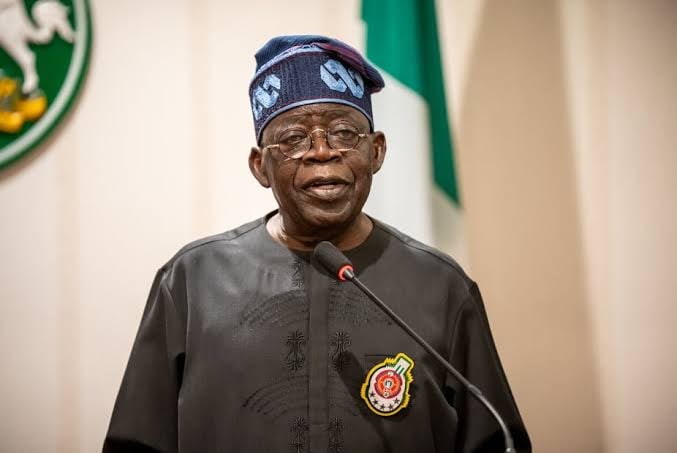
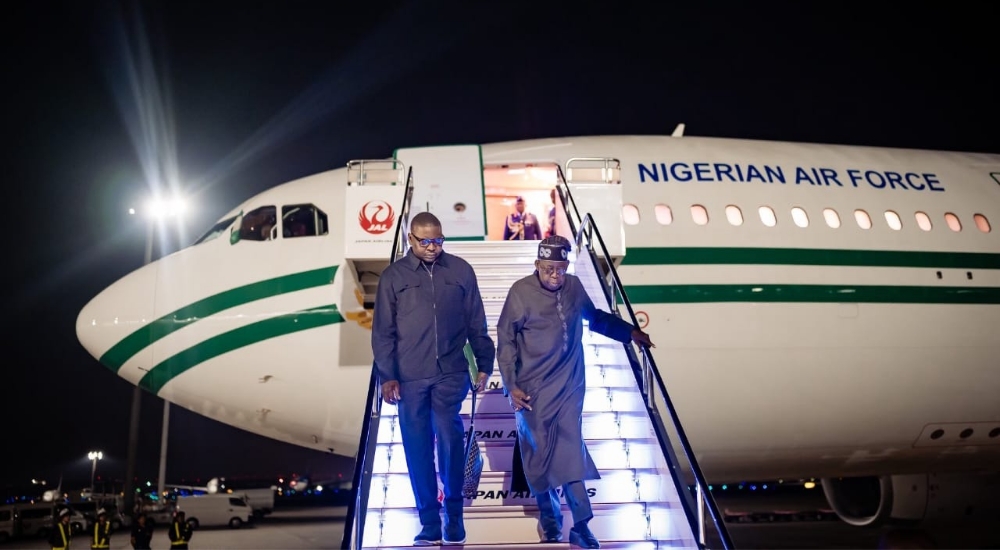
President Bola Ahmed Tinubu has mandated the suspension of the cashless system at airports across Nigeria. This directive comes amid growing concerns about the system’s effectiveness and its impact on passengers. The decision aims to address various challenges related to cashless transactions within the airport environment.
Rationale Behind the Suspension of the Cashless System at Airports
The cashless payment system was initially introduced to streamline transactions and improve efficiency at airports. However, many passengers have faced difficulties with the implementation. Long queues, technical glitches, and the inability to use cash have resulted in frustration among travelers. The suspension is intended to alleviate those issues while evaluating a more effective payment system.
President Tinubu’s government has recognized that a reliable payment strategy is essential for enhancing the travel experience. By temporarily halting the cashless system at airports, the government aims to address passengers’ needs more effectively. This suspension will allow stakeholders to reassess the benefits and drawbacks of cashless transactions.
Officials believe that reverting to cash-based transactions, even temporarily, will improve passenger convenience. This shift will enable travelers to complete transactions without the complications associated with digital payments. Moreover, it will provide an opportunity for the government to gather feedback on the cashless system from actual users.
Future Considerations
As the government investigates better solutions, discussions are underway about improving the cashless payment framework. Authorities are considering incorporating user feedback to enhance system efficiency and reliability in the future. Evaluating this feedback will be crucial for determining the cashless system’s potential reimplementation.
Additionally, it is essential to consider technological advancements that can simplify transactions. The mere presence of a cashless system is not enough; the technology must function seamlessly to be effective. Potential updates may include introducing user-friendly platforms and enhancing network reliability.
Another aspect under discussion is financial literacy. Educating travelers about digital payment methods can help mitigate future issues. By increasing awareness and understanding of digital transactions, airports can improve the acceptance and use of cashless systems.
In conclusion, President Bola Ahmed Tinubu’s directive to suspend the cashless system at airports signals a commitment to improving the travel experience in Nigeria. By taking this step, the government acknowledges the challenges faced by passengers while aiming to reassess the effectiveness of cashless transactions.
The temporary suspension provides a vital opportunity to gather insights from travelers and improve the system for the future. As discussions about enhancing payment options continue, there remains an emphasis on ensuring that all travelers can enjoy a smooth and hassle-free experience at airports across the nation.