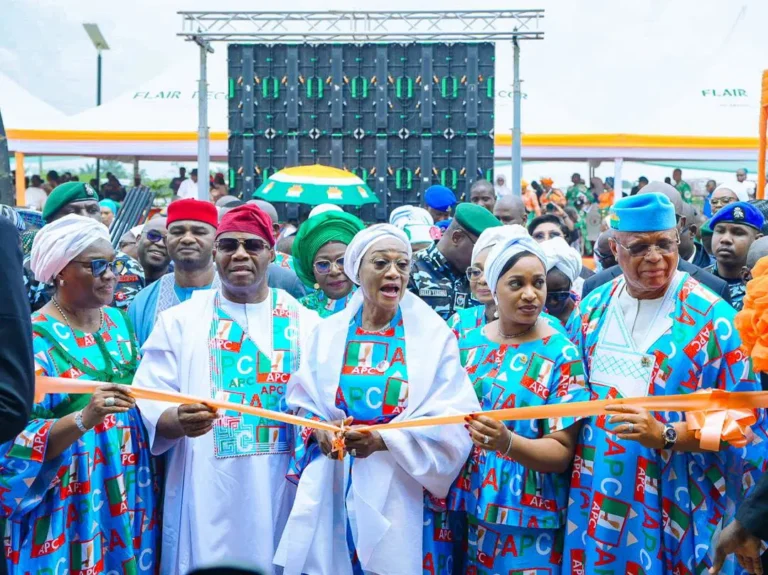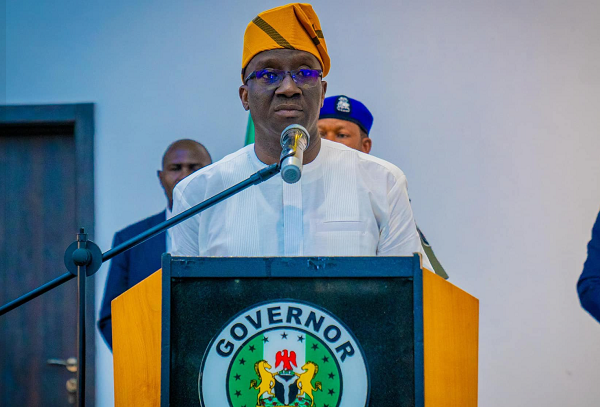

President Bola Ahmed Tinubu will embark on a two-day working visit to Lagos on Wednesday, April 8, and Thursday, April 9, 2026, to supervise projects. During this first official visit to his home state, the President will inaugurate several “iconic and legacy projects” completed by Governor Babajide Sanwo-Olu’s administration. These projects reflect strategic investments in transportation, education, agriculture, and governance. State officials have confirmed that over 500 LASTMA personnel will manage traffic to ensure a smooth presidential movement across the metropolis.
Tinubu to Inaugurate Iconic Projects in Lagos – Highlights of the Inauguration
The centerpiece of the visit is the Ojota-Opebi Link Bridge, a 3.89-kilometre infrastructure project designed to ease traffic congestion. This bridge creates a direct link between the Ikeja Central Business District and residential areas in Ojota and Maryland. By reducing travel time along the busy Opebi-Allen corridor, the project significantly improves mobility for thousands of daily commuters. Interestingly, this project was originally conceived over 20 years ago during Tinubu’s tenure as Governor of Lagos State.
In addition to transportation, the President will launch the redeveloped Tolu Schools Complex in Ajegunle. This massive facility serves over 20,000 students across 36 public schools, making it one of the largest school communities in Africa. The regeneration project includes modern classrooms, vocational centers, and inclusive infrastructure for students living with disabilities. The President will also inaugurate the Maracana Stadium, which features 19 mini-football pitches built side-by-side to promote grassroots sports development.
Modernizing Governance and Food Security
The visit also focuses on modernizing state administration through the inauguration of the Lagos State Geographic Information Service (LAGIS) building. This five-story, purpose-built facility will provide a “one-stop shop” for geospatial mapping, urban planning, and land administration. Furthermore, the President will commission the Lagos Multi-Agency Building in Alausa. This complex will house several government agencies under one roof, enhancing inter-agency coordination and service delivery.
To address food security, the President will launch the Lagos Fresh Food Hub in Abijo, Ibeju-Lekki. This mid-level agro-produce hub aims to ramp up the supply of fresh produce to residents along the Eti-Osa corridor. By decentralizing food access and improving logistics, the facility supports the state’s goal of building a sustainable food distribution network. Consequently, these governance and agricultural projects are expected to improve the overall quality of life for Lagosians.
A Backstory of Visionary Continuity
The inauguration of these projects underscores the importance of governance continuity in Lagos State. Many of the infrastructure landmarks being commissioned today were either initiated or envisioned during previous administrations. Governor Babajide Sanwo-Olu has consistently focused on completing inherited projects while launching new “transformative” initiatives. This backstory of steady progress explains why Lagos remains the commercial heartbeat of West Africa and a model for urban development.
Before this visit, the state government conducted extensive “Field Assessments” to ensure all facilities were ready for the presidential unveiling. The synergy between the federal and state governments is a core component of the “Renewed Hope” agenda. President Tinubu’s visit is not just a ceremonial return home; it is a validation of the “Greater Lagos” vision. This partnership ensures that national resources and state ingenuity work together for the benefit of the people.
Tinubu to Inaugurate Iconic Projects in Lagos – Future Outlook for Lagos Infrastructure
As the two-day visit concludes, the Lagos State Government plans to scale up its infrastructure drive in other districts. The Commissioner for Information and Strategy, Gbenga Omotoso, hinted that more “Legacy Projects” are nearing completion in the Badagry and Epe axes. The state intends to maintain its rapid pace of development to meet the needs of its growing population. Consequently, the inauguration of these six projects is just one phase of a much larger urban renewal strategy.
With the continued support of the President, Lagos is poised for even greater technological and social advancements. The commitment of Governor Sanwo-Olu to “Result-Oriented Governance” remains the driving force behind these successes. For the residents of Lagos, these new bridges, schools, and markets represent a firm promise of a more inclusive and sustainable future. The journey toward a global megacity continues with renewed vigor and presidential backing.