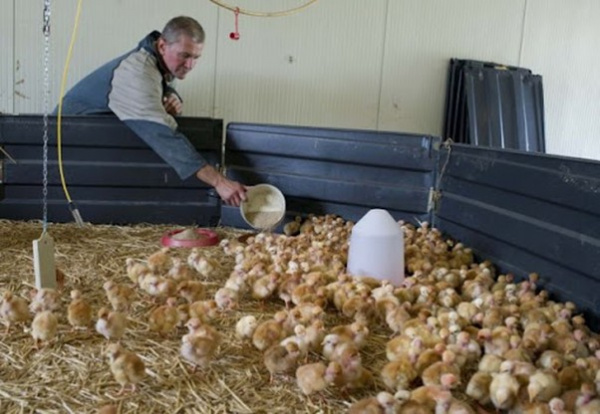
Togo plans a major shift through a new feed exemption that will begin in 2026, and the move signals a strong commitment to local food security, rural prosperity, and agricultural modernization. The announcement, included in the draft finance law adopted by the Council of Ministers, marks a strategic effort to strengthen livestock and poultry production across the country. Because animal feed represents one of the highest costs for farmers, this decision brings real relief and renewed optimism.
The government believes the measure will generate direct and measurable impact. Imported feed often carries heavy costs due to taxes, transport charges, and shifting global prices. These pressures limit productivity and slow rural growth. Therefore, the exemption reflects a deliberate choice to reduce the financial burden on farmers and encourage broader investment in the livestock sector. The change also supports the government’s ambition to increase national meat production and reduce dependence on external supply.
Farmers across Togo face rising operational costs. They struggle with fluctuating input prices, limited credit access, and unpredictable market conditions. However, feed expenses often strain them the most, especially for poultry and cattle farms. The new measure aims to remove this bottleneck. By lowering import costs, the government hopes to unlock greater production capacity and encourage more young entrepreneurs to enter the livestock business. As a result, the rural economy could experience stronger activity, more jobs, and improved livelihoods.
Moreover, the decision aligns with Togo’s wider agricultural agenda. The country continues to strengthen its value chains, modernize its production systems, and promote agribusiness investment. The feed exemption integrates seamlessly into these priorities. It helps stabilize production, supports broader reforms, and builds a stronger foundation for sustainable growth. It also signals that Togo remains committed to practical solutions that accelerate national development.
The measure awaits approval from both houses of Parliament. This step is essential, yet confidence remains high because the initiative supports national interests and aligns with long-term development goals. Once approved, the exemption will take effect in 2026. This timeline gives farmers, investors, and cooperatives enough opportunity to prepare for the changes and plan expanded operations.
Furthermore, the exemption may attract new private-sector partners. Lower feed costs create stronger incentives for investment in poultry farms, cattle production, and feed distribution networks. These developments could energize regional trade, enhance food availability, and strengthen domestic supply chains. Investors often seek environments where governments demonstrate clear support for producers. Togo’s decision sends exactly that message.
The policy also supports food security. Increased production reduces vulnerability to external shocks and strengthens national resilience. With expanding livestock and poultry output, households gain better access to affordable protein. Nutrition improves. Markets stabilize. Communities grow stronger.
Togo’s leaders continue to emphasize inclusive growth. They pursue reforms that empower farmers, encourage entrepreneurs, and strengthen rural communities. The feed exemption stands as a meaningful step toward these objectives. It shows that agriculture remains central to the national vision and that farmers hold a valued place within the country’s development strategy.
As Togo prepares for 2026, optimism rises. Farmers now anticipate lower costs, higher productivity, and stronger earnings. Investors see new opportunity. Communities foresee sustained progress. The measure sets a clear direction: Togo intends to grow through strategic choices that uplift its people and strengthen its economy.
The decision signals more than tax reform. It marks a renewed promise to rural families and a firm commitment to national prosperity.