Togo Budget emerges as a central theme in the country’s new plan for inclusive development. The government has introduced a bold 2026 spending framework that reflects ambition, clarity, and renewed confidence in national progress. The draft budget, valued at 2,740.5 billion CFA francs, shows a 14.4 percent rise from the 2025 allocation. This increase signals a firm commitment to people-centered investments and long-term transformation.
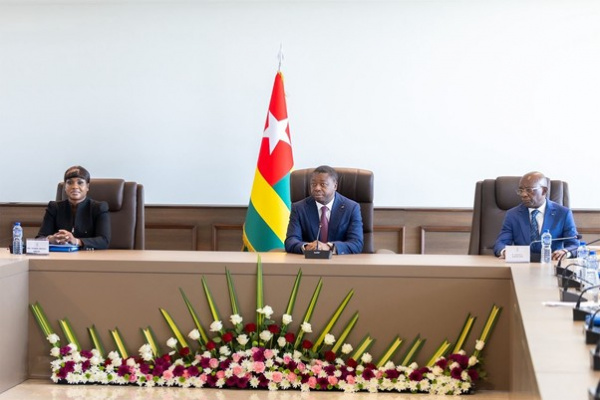
The Council of Ministers adopted the draft finance law during its first meeting of the Fifth Republic. This decision confirmed a forward-looking approach designed to strengthen public finances while expanding social impact. Moreover, the government placed strong emphasis on strategic resource distribution across health, education, social protection, agriculture, industry, and digital technology. These sectors remain critical to inclusive growth, job creation, and national competitiveness.
The 2026 plan highlights the fact that nearly 48 percent of budgetary resources will support social sectors. This choice reflects the government’s intention to elevate living standards, improve access to essential services, and close development gaps affecting vulnerable groups. Furthermore, the focus on education seeks to build a skilled workforce that can respond to modern challenges. The additional support for health aims to improve nationwide care delivery and strengthen community resilience.
The social protection component also stands out. It intends to provide enhanced safety nets for households, especially those facing economic pressure. Consequently, the government hopes to reduce inequality and develop a stronger foundation for sustainable prosperity. Every intervention aligns with a broader vision of a fair, secure, and opportunity-driven society.
Beyond social programs, the Togo Budget invests heavily in productive sectors. Agriculture receives significant attention because it remains a vital pillar for food security, rural livelihoods, and national stability. Therefore, the government aims to boost yields, modernize farming systems, and expand agro-processing capacity. These efforts are expected to empower farmers, attract investors, and stimulate rural economies.
Industry also features prominently in the plan. The government intends to promote manufacturing growth, improve value addition, and expand industrial clusters that drive export competitiveness. Additionally, this push supports diversification and reduces the country’s dependence on a limited number of economic activities.
Digital technology forms another major component of the 2026 strategy. The government understands that innovation drives efficiency, transparency, and global relevance. As a result, the budget encourages digital expansion, improved connectivity, and wider adoption of tech-enabled services. These interventions should help businesses scale, improve youth employment, and create new opportunities in the fast-growing digital economy.
The 2026 Togo Budget also reinforces efforts to consolidate public finances. Clearer fiscal discipline aims to strengthen credibility, attract investment, and reduce economic risks. With stronger management, the government hopes to support long-term stability while sustaining essential programs. Therefore, the plan balances ambition with responsibility, growth with prudence, and innovation with structure.
Every element of the budget aligns with a single goal: building a dynamic society where people thrive and businesses grow. Through coordinated actions, the government seeks to unlock new possibilities for young people, women, and communities across the country. The Togo Budget stands not just as a financial document but as a roadmap toward opportunity, resilience, and shared progress.