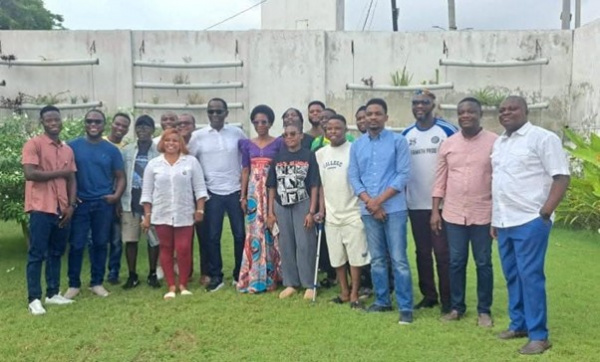
In Togo, a new chapter has opened for the creative arts sector. On Thursday, January 22, 2026, a training school dedicated entirely to comedy officially opened its doors in Aného. The institution, named “L’École du rire à Aného” (The School of Laughter in Aného), marks a significant step in the professionalisation of comedy and performing arts in the country.
The school is designed to nurture talent and sharpen creative expression. It will offer structured training in artistic creation, comedic writing, stage performance, and improvisation. In addition, the programme places strong emphasis on helping comedians understand the business side of their craft. As a result, participants will gain skills that extend beyond performance alone.
Importantly, the initiative responds to a growing demand within Togo’s cultural space. Comedy has continued to gain popularity across television, radio, digital platforms, and live events. However, many aspiring comedians have relied mainly on raw talent and self-learning. With the launch of this school, that gap begins to close.
Through practical workshops and guided sessions, trainees will learn how to build characters, develop original material, and connect effectively with audiences. Moreover, the curriculum includes voice control, body language, timing, and audience engagement. These elements remain essential for delivering impactful comedy on stage and screen.
Beyond technique, the school also focuses on professional development. Participants will receive guidance on branding, content distribution, and career management. Consequently, comedians will be better equipped to navigate opportunities within and beyond Togo. This approach supports sustainability in the creative industry.
The choice of Aného as the host city also carries meaning. Known for its cultural heritage, the city provides a fitting environment for artistic growth. By situating the school outside the capital, the organisers also promote cultural decentralisation. This move helps spread creative opportunities across regions.
Furthermore, the opening of L’École du rire reflects a broader recognition of the arts as a driver of economic and social value. Comedy entertains. It also educates, critiques society, and brings communities together. Investing in structured training strengthens these roles.
For young creatives, the school represents access. It offers mentorship, structure, and a supportive learning environment. For the wider cultural sector, it signals progress. With trained professionals entering the field, the quality and reach of Togolese comedy can expand.
As classes begin, expectations are high. Many see the school as a launchpad for fresh voices and bold ideas. In the long run, it could position Togo as a regional hub for comedic talent.
Ultimately, L’École du rire à Aného stands as more than a training centre. It is a statement of belief in creativity, laughter, and the power of culture to shape national identity and opportunity.