Togo has taken a decisive step to strengthen its energy framework by adjusting the tax regime governing the West African Gas Pipeline (WAGP). The pipeline remains a critical piece of infrastructure for the country, supplying natural gas used for power generation and industrial activity. With the new measures, the government aims to improve competitiveness, attract long-term investment, and ensure alignment with regional partners.
At the heart of the reform are three major fiscal changes. First, the government has extended the tax exemption period granted to the West African Gas Pipeline Company (WAPCo), which operates the network. The exemption now lasts 120 months, following an additional 60-month extension. This move is designed to ease operational costs and provide greater financial stability for the company.
Second, Togo has reduced WAPCo’s corporate tax rate from 35 percent to 30 percent. This adjustment brings the country in line with other member states participating in the regional gas pipeline project. Officials say the harmonisation was necessary to ensure fairness and maintain the project’s regional balance. Without it, Togo risked becoming less attractive within the shared infrastructure arrangement.
Third, the revised framework introduces flexibility. While the standard rate now stands at 30 percent, the government retains the authority to apply a higher tax rate when economic or policy conditions justify it. However, the law clearly sets a ceiling. Any increase must not exceed the maximum rate of 35 percent. According to lawmakers, this safeguard protects both state revenue and investor confidence.
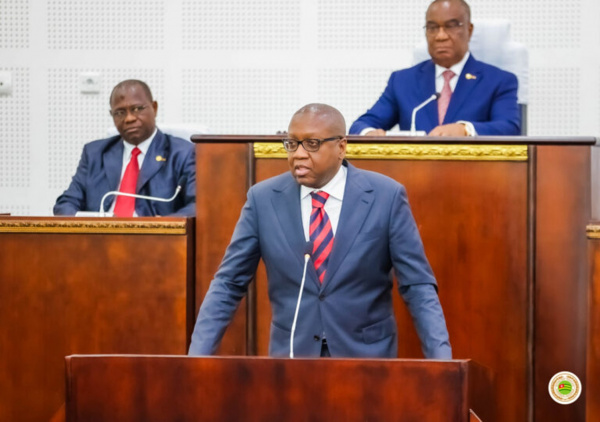
Parliament formally approved the changes on December 24, 2025. During a plenary session, the National Assembly adopted a law amending the legal and fiscal framework governing the West African Gas Pipeline. The session took place under the chairmanship of Komi Selom Klassou, Speaker of the National Assembly.
The Minister Delegate for Energy, Messan Eklo, attended the session and defended the bill before lawmakers. In his presentation, he stressed the strategic importance of the pipeline to Togo’s energy mix. He also highlighted the need to adapt fiscal policies to evolving regional and economic realities. According to him, the reforms strike a balance between protecting national interests and supporting a vital regional asset.
Lawmakers, in turn, welcomed the changes. Many argued that predictable and competitive tax conditions are essential for sustaining energy infrastructure. They noted that gas supply disruptions or underinvestment could directly affect electricity generation and economic activity. Therefore, they viewed the revised tax regime as a preventive and forward-looking measure.
Beyond immediate fiscal considerations, the reform carries broader implications. By aligning its tax policy with regional standards, Togo reinforces its commitment to cooperation within the West African Gas Pipeline project. This alignment also sends a positive signal to investors involved in cross-border infrastructure. In an increasingly competitive energy landscape, consistency across jurisdictions matters.
Moreover, the extended exemption period gives WAPCo greater room to manage costs, maintain the pipeline, and plan future upgrades. At the same time, the retained flexibility ensures that the state does not permanently forgo revenue. Instead, authorities can respond to changing market conditions while remaining within clearly defined limits.
As Togo continues to pursue energy security and economic growth, officials say regulatory stability will remain a priority. The revised framework for the West African Gas Pipeline reflects this approach. It combines incentives, safeguards, and regional coordination.
With parliamentary approval secured, the new tax rules will now guide future operations of the pipeline in Togo. Attention will likely shift to implementation and oversight. For policymakers, the challenge will be to ensure that the reforms translate into reliable gas supply, sustained investment, and long-term benefits for the national economy.