Togo is taking a bold step to expand financial inclusion and strengthen its economic resilience. Beginning November 6, 2025, the government will launch a national data collection campaign focused on households and businesses. The initiative, which will run until December 6, 2025, is a joint effort between the Togolese government and the Central Bank of West African States (BCEAO).
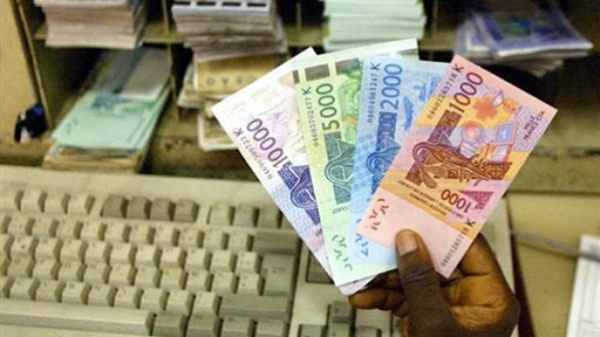
The campaign aims to update Togo’s financial inclusion database and guide smarter, evidence-based policies. With more accurate data, the government intends to improve access to financial services, particularly for low-income groups and vulnerable populations who remain outside formal banking systems.
Moreover, this project will provide detailed insights into the supply and demand for financial products across the country. It will examine how citizens interact with both formal financial institutions—such as banks and microfinance organizations—and informal structures like community savings groups. By doing so, it will identify barriers to inclusion and highlight opportunities for growth.
Through this data-driven approach, the government is working to strengthen transparency, accountability, and innovation in financial policy. In addition, it will use the findings to align national strategies with the broader financial inclusion goals of the West African Economic and Monetary Union (UEMOA). This alignment will ensure that Togo remains a strong regional partner in advancing sustainable development.
Furthermore, the campaign reflects Togo’s growing commitment to digital transformation and economic empowerment. By integrating digital tools into data collection, the government seeks to improve efficiency and reliability. This modernized process will also help identify gaps in financial literacy, access, and participation, allowing for more targeted interventions across communities.
The success of this initiative depends heavily on public participation. Therefore, authorities have urged all households and businesses to cooperate fully with data collection teams. Their input will play a direct role in shaping future reforms, influencing how resources are allocated, and ensuring that policies truly address people’s financial realities.
Importantly, the initiative underscores the government’s belief that inclusion begins with information. When decision-makers understand how citizens save, borrow, and invest, they can design more equitable and responsive systems. This, in turn, builds public confidence, stimulates entrepreneurship, and drives long-term growth.
Togo’s collaboration with the BCEAO also highlights the power of regional partnerships. By sharing knowledge and harmonizing data standards, both institutions aim to strengthen the entire financial ecosystem of West Africa. Consequently, the lessons from Togo’s campaign may soon serve as a model for other nations seeking to deepen inclusion and promote financial stability.
Ultimately, this national data campaign is more than a technical exercise—it is a national movement for empowerment. It reinforces Togo’s determination to create a fairer, more inclusive economy where every citizen and business can thrive. With each survey response, Togo moves one step closer to transforming financial inclusion from a policy goal into a shared national reality.