Uganda and Egypt have held high-level talks in Cairo over the impact of the ongoing war involving Iran on Africa’s energy security, inflation and food prices.
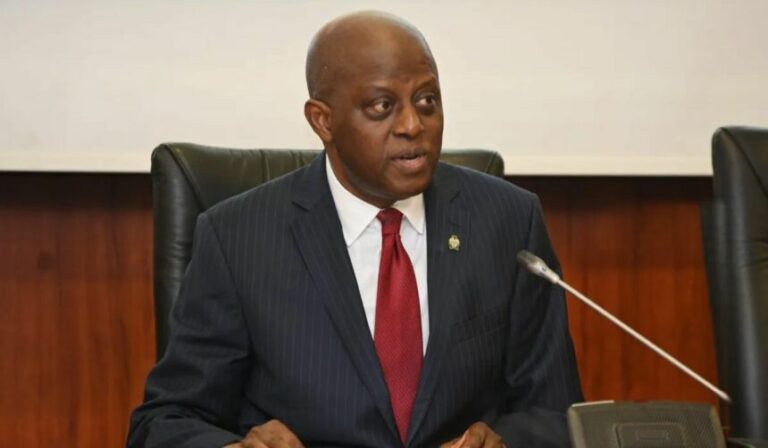
Uganda’s state minister for foreign affairs, Henry Oryem Okello, met with Egypt’s foreign minister, Badr Abdelatty, where both officials addressed reporters during a press briefing in Egypt’s new administrative capital.
The discussions come as Egypt moves to manage rising energy costs linked to the conflict involving Iran.
Authorities in Egypt have introduced nationwide early closing times for shops, restaurants and cafes, forcing many businesses to shut during peak evening hours in a bid to cut back on oil-powered electricity use.
Global energy prices have surged since February 28, when the United States and Israel launched large-scale airstrikes on Iran. Tehran responded by targeting oil and gas infrastructure across the Persian Gulf and tightening shipping routes through the Strait of Hormuz.
The resulting price spikes have placed significant pressure on Egypt’s economy. The country’s population of more than 108 million consumes around 20 billion dollars’ worth of oil products annually, including fuel used in power generation.
Egypt imports about 28 percent of its gasoline and 45 percent of its diesel, making it particularly vulnerable to global energy shocks.
Abdelatty also reaffirmed Egypt’s commitment to supporting water infrastructure projects in Uganda and across the southern Nile Basin, including the construction of new dams.
Faridah Abdulkadiri