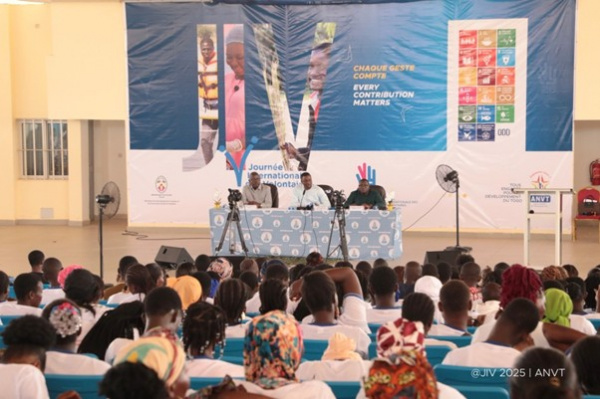
Togo’s development story continues to reveal fresh momentum as Volunteer Power shapes communities, strengthens institutions, and expands national capacity. The recent data presented during International Volunteer Day in Lomé highlights one truth: Togo is building a future anchored in service, responsibility, and shared progress. This rise reflects a deeper continental shift, as African nations embrace homegrown solutions powered by their people.
Togo’s National Volunteer Agency has mobilised 80,694 national volunteers since 2011. These citizens serve schools, clinics, farms, startups, and public institutions. Their impact reaches remote communities and urban centres. Their work touches children, women, and ageing populations. Their influence strengthens local governance and encourages civic participation. Their presence builds confidence in places where government support once felt distant.
Additionally, more than 2,500 international volunteers have joined community missions across the country. Their participation shows global recognition of Togo’s rising development capacity. It also signals strong confidence in the agency’s structure, standards, and training systems. Together, national and international teams provide vital skills, improve service delivery, and deepen community resilience through practical engagement.
The 9th Pan-African Congress in Lomé has also created a timely backdrop for this discussion. The gathering unites ministers, diplomats, civil society leaders, scholars, and diaspora networks. The congress emphasises shared identity, collective memory, and continental responsibility. Its focus aligns closely with Togo’s volunteer movement because both efforts promote unity, empowerment, and social transformation. The congress also provides a strong platform for exchanging ideas on leadership, development, and inclusion.
Volunteer Power resonates through these events because volunteerism strengthens national stability. Volunteers support rural health campaigns. They assist local farmers with new tools. They mentor young learners and help reduce skill gaps. They deliver support during emergencies. Their presence helps lift families from vulnerability. Their service increases trust between citizens and institutions.
The agency’s long-term consistency shows strong commitment to sustainable development. The model attracts young people who want a place in national progress. It also attracts skilled professionals seeking meaningful service opportunities. This broad base ensures balanced representation across regions and social groups. The platform therefore becomes both a training ground and a launchpad for future leaders.
However, the significance extends beyond numbers. Volunteer programmes deepen civic duty and collective consciousness. They inspire citizens to see themselves as partners in nation-building. They encourage young Togolese to take ownership of community challenges. They increase opportunities for skill development, career mobility, and entrepreneurship. They strengthen the country’s capacity to respond to emerging social and economic pressures.
Togo’s government continues to support this expansion because the results remain clear. Communities gain faster access to essential services. Public institutions receive stronger operational support. Families benefit from improved development outcomes. Young people acquire practical skills that increase employability and confidence. These successes advance national goals and support regional stability.
Volunteer Power now stands as one of Togo’s strongest development assets. It represents the energy, discipline, and innovation of the Togolese people. It also reveals a nation determined to transform ideas into action. As the agency accelerates its mission, Togo strengthens its foundations for inclusive growth and continental leadership.
Togo’s volunteer movement proves that national progress grows faster when citizens lead the charge.