
The World Bank and the Bank of Industry (BOI) have introduced a transformative framework for development finance designed to unlock private capital, deepen inclusion, and accelerate job creation across key sectors of Nigeria’s economy. This strategic move underscores both institutions’ shared vision of driving sustainable growth and expanding economic opportunities for millions of Nigerians.
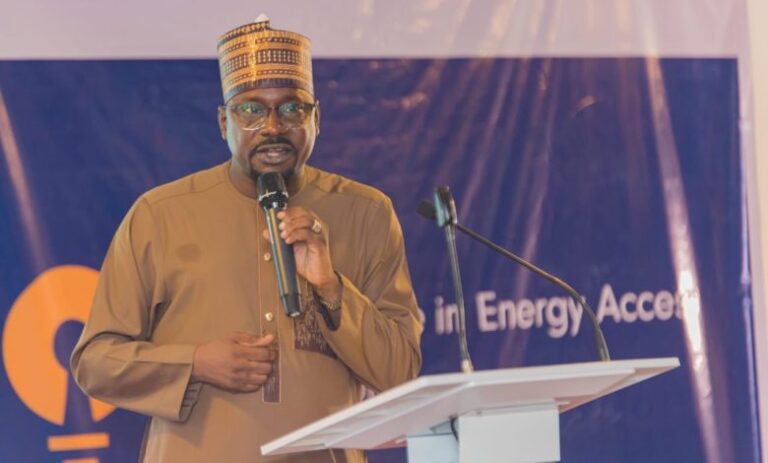
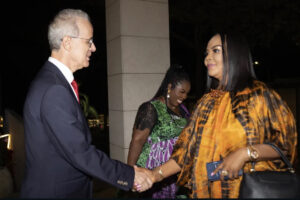
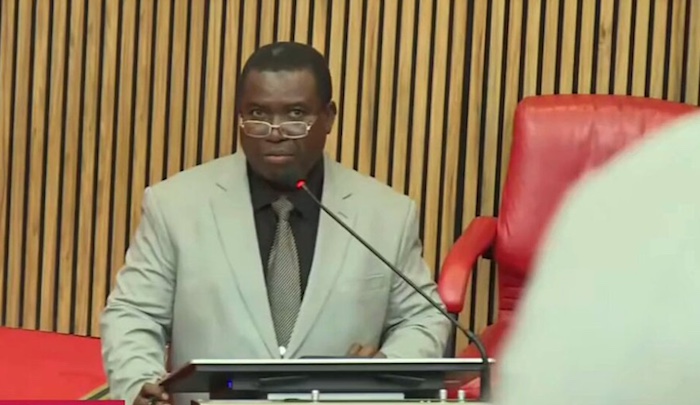
During the second edition of the BOI Development Annual Lecture Series in Abuja, the World Bank Country Director for Nigeria, Matthew Verghis, and the Chairman of the BOI Board, Mansur Muhtar, emphasized the need for fresh financial models that promote long-term investment and inclusive progress. Their joint message highlighted the importance of strengthening partnerships, encouraging innovation, and aligning development finance with Nigeria’s broader reform agenda.
The new framework aims to build a more resilient economy by channeling resources into sectors with high potential for growth and employment. Through this initiative, the BOI and World Bank seek to bridge the financing gap facing small and medium-sized enterprises, empower entrepreneurs, and attract private investors who can complement government-led interventions.
Dr. Tony Okpanachi, the Managing Director and Chief Executive Officer of the Development Bank of Nigeria, also commended the partnership, noting that collaboration between development finance institutions remains essential for scaling impact. According to him, combining global expertise with local execution helps ensure that capital translates into real economic results.
This innovative approach reflects a clear understanding of Nigeria’s economic landscape. By aligning financial inclusion with industrial growth, the framework promotes a model where credit reaches productive sectors, communities gain opportunities, and industries expand their value chains. Each intervention is expected to create more jobs, support exports, and strengthen the country’s competitiveness in regional and global markets.
Furthermore, the partnership reinforces the World Bank’s ongoing commitment to Nigeria’s economic transformation. With technical support, data-driven strategies, and performance monitoring, both institutions aim to improve transparency and ensure measurable outcomes. As they continue to mobilize funds and expertise, their focus remains on ensuring that growth is inclusive, sustainable, and equitable.
The Annual Lecture Series itself serves as a vital platform for dialogue among policymakers, financiers, and private sector leaders. It encourages forward-thinking discussions on how development finance can serve as a catalyst for transformation rather than merely a source of funding. Each edition strengthens collaboration and sharpens strategies that can accelerate industrialization and social progress.
In essence, this partnership between the World Bank and the Bank of Industry symbolizes a renewed commitment to Nigeria’s economic rebirth. It champions innovation, empowers local enterprises, and fuels a shared vision of prosperity that leaves no one behind. With continued dedication, this alliance will help build a stronger, more inclusive, and globally competitive Nigeria.