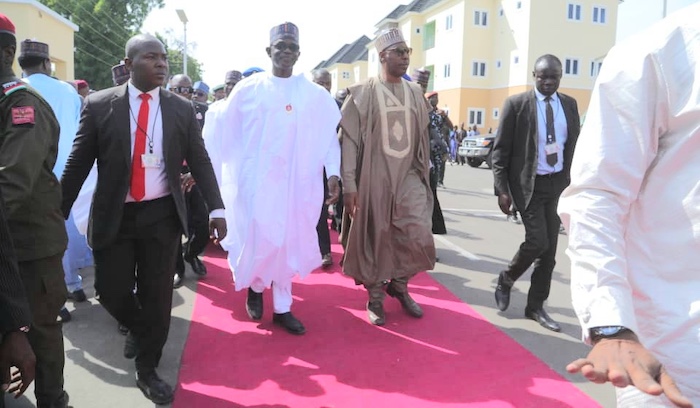
Borno State Governor, Prof. Babagana Zulum, has reaffirmed his administration’s commitment to post-conflict reconstruction and sustainable development following the commissioning of multiple infrastructure and education projects across the state.
The projects were inaugurated by the Nigeria Country Director of the World Bank, Dr. Mathew Verghis, who described the investments as key milestones in strengthening human capital development and economic resilience in regions recovering from insurgency.
Verghis commended the Borno State Government for prioritising education and infrastructure as central pillars of recovery, noting that long-term stability in conflict-affected areas depends on access to quality education, functional infrastructure and inclusive economic opportunities.
The newly commissioned projects include three modern mega schools aimed at expanding access to quality education for children in vulnerable communities. The schools are Government Secondary School Mainusari, Mega Primary School Maimusari, and Command Secondary School Maiduguri, all equipped with modern classrooms and learning facilities.
On infrastructure, the state unveiled the West End flyover bridge and three major dual carriageway roads along Sultan Mainalari, Bursari and Shehu Sanda Kura corridors. Officials said the projects would improve traffic flow, boost commercial activities and enhance security surveillance within Maiduguri metropolis.
Speaking at the event, Zulum said education remains a strategic tool for social transformation in Borno, especially after years of insurgency that devastated school infrastructure and disrupted learning.
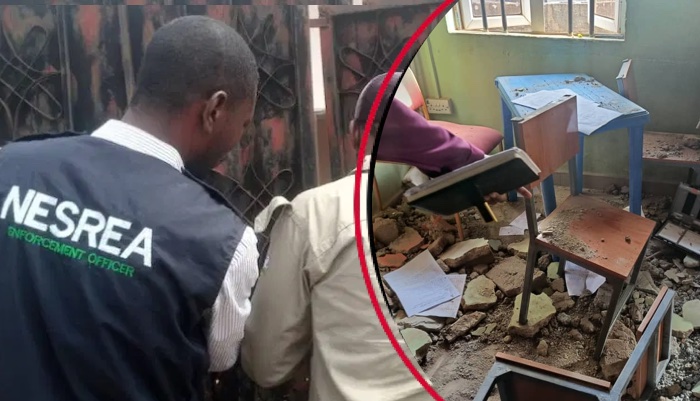
He disclosed that over 5,000 classrooms were destroyed during the conflict, forcing the displacement of thousands of students. To address the deficit, the state has undertaken large-scale reconstruction and rehabilitation of schools across both rural and urban communities.
The governor also highlighted social intervention programmes aimed at increasing student retention, including distribution of exercise books, textbooks, school uniforms and learning materials, alongside the expansion of school feeding initiatives.
Zulum further noted that vocational and technical education has been prioritised to tackle youth unemployment, with the establishment of vocational training institutes and entrepreneurship schools targeting women and young people.
Community leaders and development stakeholders described the projects as a significant step in rebuilding confidence among displaced communities gradually returning to normal life.
Observers say the strengthened partnership between Borno State and international development partners reflects growing support for recovery, governance reforms and sustainable growth in Nigeria’s North-East.
Michael Olugbode in Maiduguri