
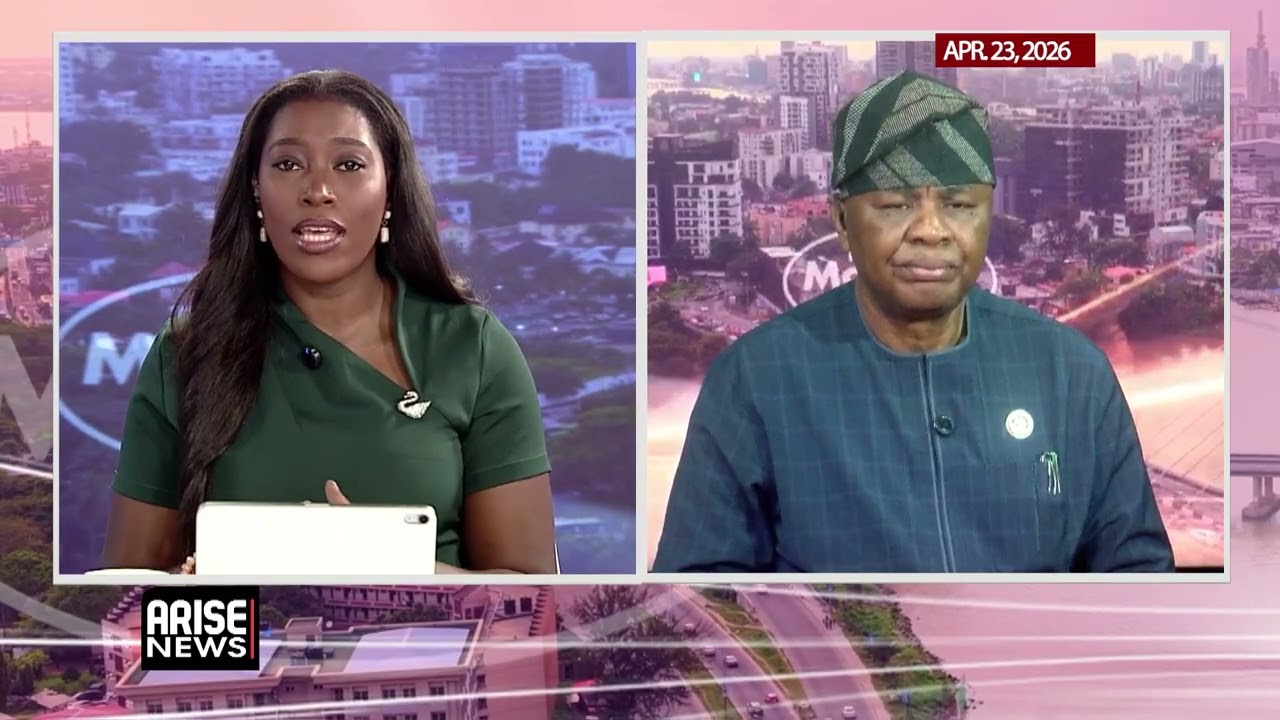
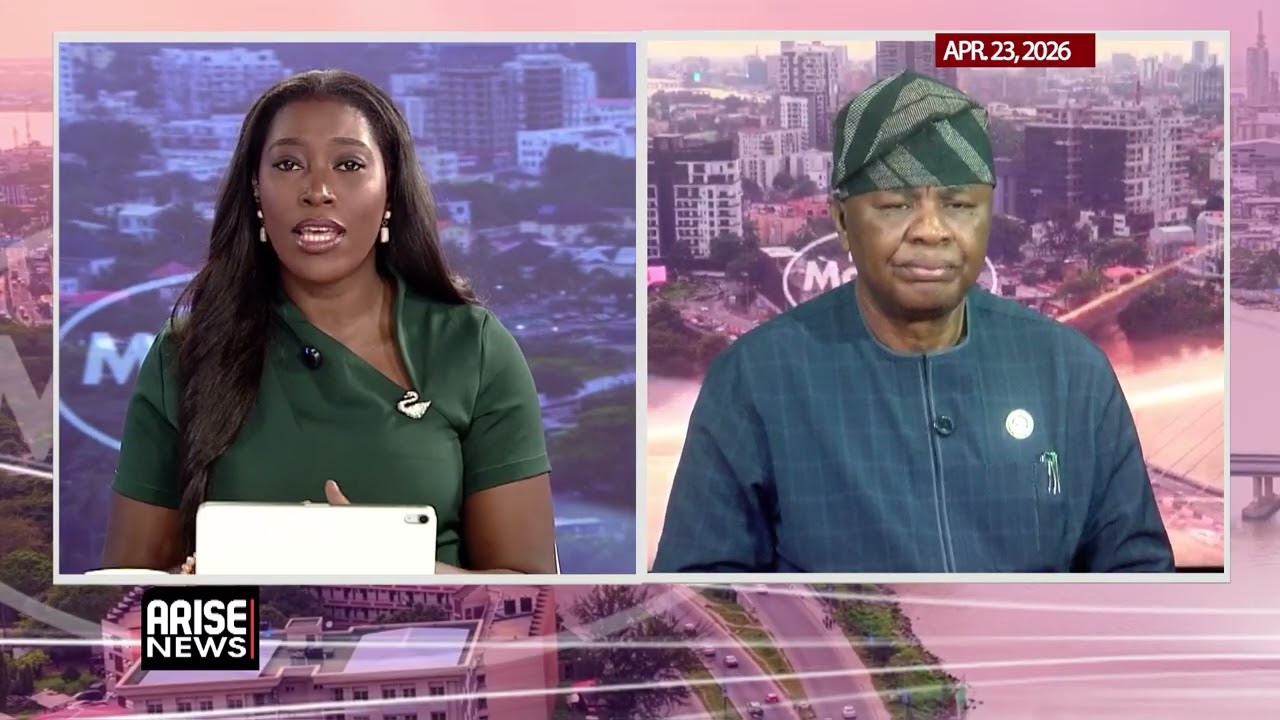
President, Association of Environmental Protection and Climate Change Practitioners, Akugbe Iyamu has asserted that Nigeria must urgently adopt structured, government-led evacuation and shelter systems to reduce the growing impact of flooding across the country, warning that existing responses to climate-related disasters remain fragmented and ineffective.
Speaking during an interview with ARISE NEWS on Friday, Iyamu said Nigeria can no longer rely on reactive disaster responses, insisting that climate risks are already well known and predictable across affected regions while also stating that the first step required from government was direct intervention in evacuation processes.
“First of all, you must have a state-sponsored evacuation. State-sponsored shelter and remove IDP management from line items of the projects. Employ durable solutions.”
He argued that authorities already possess sufficient data identifying flood-prone communities. “We cannot stop climate change. We cannot stop extreme weather, Now, these 33 states and 144 communities that were identified, they are not new. They have been there. We know them. Everybody knows them that this is where the flooding will go.”lIt has been there. We all know the high spots. We all know where the disaster will open.The starting point is the disaster risk analysis.This is not the time that you are going to be telling people to move. This should have been done over time. In 2024, the NEMA came up with a disaster risk analysis, Everything is contained there.”
He further explained that evacuation should not be left to individuals or informal arrangements. “You don’t leave people to their discretion, and that is what caused all the life lost and everything.Because if people move, they are going to move to their convenience. They are going to move to where their resources will take them to, They are going to move to whatever they are doing will take them to.”
According to him, Nigeria’s current approach to Internally Displaced Persons (IDPs) management has become inefficient. “They don’t know any other life. They don’t know any other life. That’s why you have durable solutions. Durable solutions tell you that, relocate this IDP to their ancestral home, create a new home for them, or make them settle where they are.”
He warned that disaster response must be integrated into governance planning, not treated as annual emergency spending. “In addressing extreme weather now, we have to re-evaluate everything. We have to weigh everything against the resources that is available.”
Iyamu also stressed that relocation strategies must be temporary but structured. “In addressing extreme weather now, we have to re-evaluate everything. We have to weigh everything against the resources that is available.They believe that, look, after that, what happens next? What happens to their own lives?”
“They don’t believe in the statements again, they believe that, look, after that, what happens next?”The starting point is the disaster risk analysis.Everything is contained there. After 2024, everything went silent.”
He added that disaster response systems must include a clear exit plan for affected populations. “Durable solutions tell you that, relocate this IDP to their ancestral home, create a new home for them, or make them settle where they are.After September, we are going to take you back to your ancestral home, if that is still feasible, take you to new sites, if that becomes very, very expedient, or settle you to where you are. IDPs are not meant to stay in the camp forever.”l There are some people who have been there since 2012.”
He stated that IDP management should be removed from fragmented project-based budgeting. “remove IDP management from line items of the projects, Employ durable solutions.The starting point is the disaster risk analysis, everything is contained there.”
Beyond evacuation and shelter, he warned that flooding cannot be addressed effectively during peak rainy seasons. “But to say you are dredging a river inside the rainy season, it’s like Pennywise’s palm foliage. That will not work.This year, we already know the challenges of flooding, which we have known since 2020.”
He argued that many of Nigeria’s flood-prone areas are already well known to authorities. “These 33 states and 144 communities that were identified, they are not new. They have been there, we know them. Everybody knows them that this is where the flooding will go. And it is becoming very, very precarious because geography is destiny.”
Iyamu also linked Nigeria’s flood crisis to broader socio-economic challenges. “Now, the World Bank has told us that poverty has increased since 2023 from 56% to 63%. That is 140 million Nigerians are poor, Most of them are multidimensionally poor. Now, 800 of them, which includes Nigeria, 140, in an area that will be affected by one out of the four climate issues, which is flooding, pollution, ecosystem, and others.
Now, if you put all this in perspective now, 30.5 million people are going into severe, acute hunger. Something changes in the economy. Something changes in the security.”
He said climate change is now inseparable from national security and economic stability. “What is happening now is Nigeria must live with its own risk. Living with your own risk means that you must deal with this issue of climate change. Climate change and the flooding.
Now, climate change is now at the hands, it’s at the hot buttons of national security. Something changes in the economy. Something changes in the security, And what you hold as priorities before becomes negotiated. It becomes negotiated because you don’t negotiate hunger. You don’t negotiate security. You don’t negotiate well-being. You don’t negotiate life and livelihood.”
Iyamu further highlighted the scale of internal displacement already recorded in Nigeria. “Now, you see, if you go around where flooding has happened all over the years, as I speak to you now, we still have 3.7 million people in IDP camps, not state-sponsored shelter, not state-sponsored evacuation.They are just there living on their own then they are living in 3,900 spots, including families that are sheltering them and all.IDPs are not meant to stay in the camp forever.”
According to him, durable solutions must include relocation options such as returning displaced persons. “Durable solutions tell you that, relocate this IDP to their ancestral home, create a new home for them, or make them settle where they are. After September, we are going to take you back to your ancestral home, if that is still feasible, take you to new sites, if that becomes very, very expedient, or settle you to where you are.”
Iyamu maintained that without structured intervention flooding will continue to produce cyclical humanitarian crises every year. “We know the areas to have dredged, and we know the areas, the gutters to have cleared, and you are not going to be doing it inside the rainy season. This year, we already know the challenges of flooding, which we have known since 2020. We know them. Everybody knows them that this is where the flooding will go.”
He concluded that Nigeria already has sufficient data and predictive information on flood risk areas. “The issue is that we cannot stop climate change. We cannot stop extreme weather.”
Erizia Rubyjeana