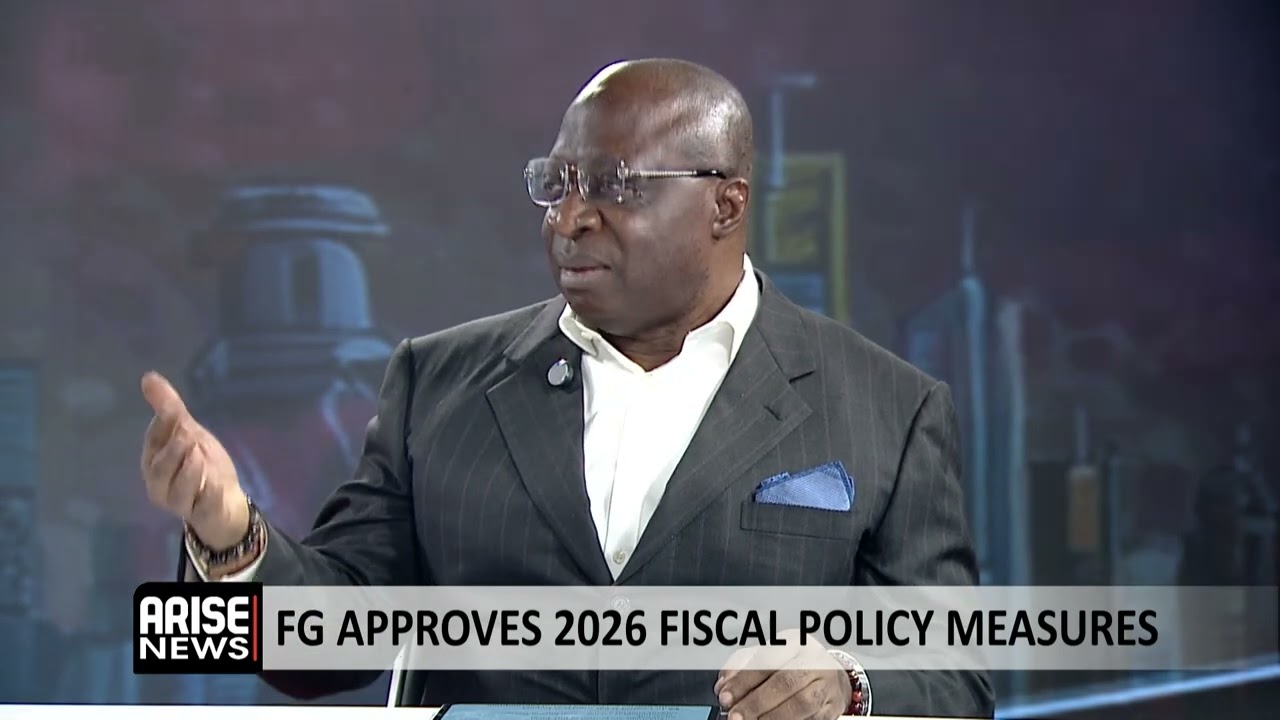
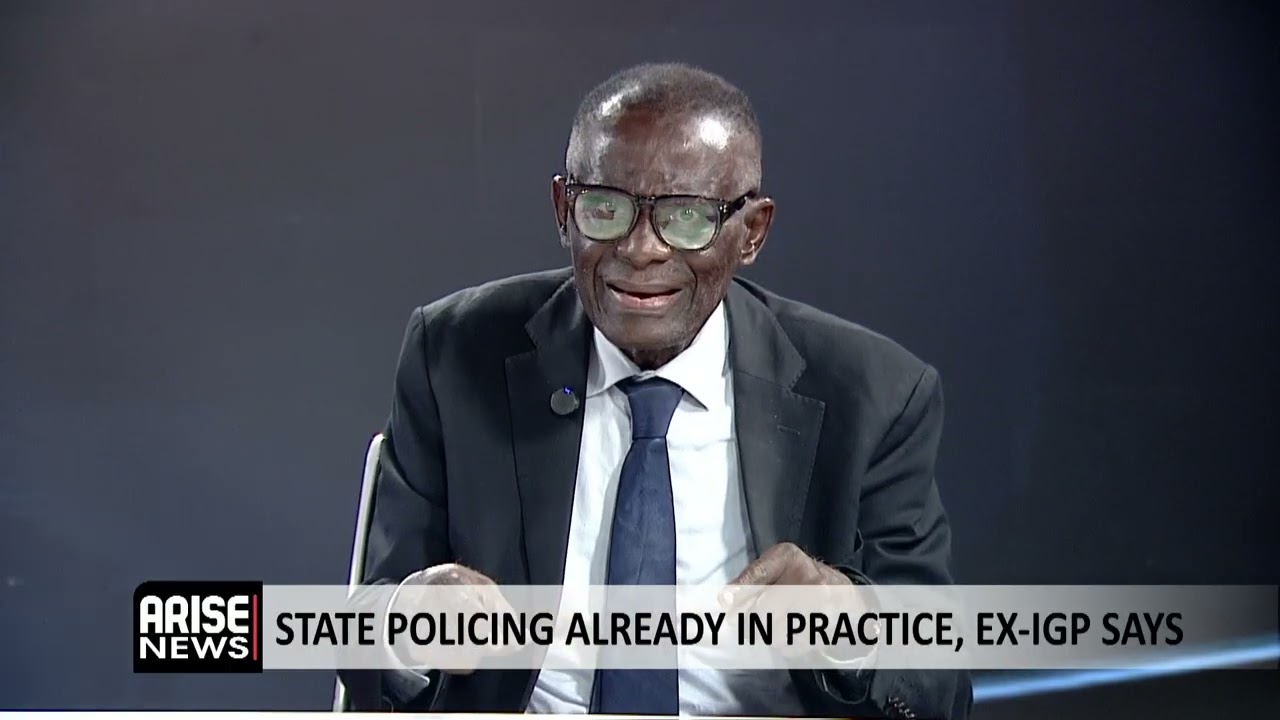

ARISE News analyst Dayo Sobowale has stated that Nigeria is already operating a form of state policing through informal local security structures, though these arrangements lack the legal authority and institutional framework required for effectiveness.
Speaking in an interview with ARISE News on Monday, Sobowale reacted to claims by former Inspector General of Police Mohammed Adamu, agreeing that existing community-based security outfits are already performing policing functions across states.
“Exactly… we have a semblance of it on the ground,” he said.
Sobowale explained that the core idea behind state policing is proximity to local communities, which enhances intelligence gathering and interpretation, making it easier to address security challenges at the grassroots level.
“If you are closer to the locality of where things are happening, you have a deeper knowledge of what is happening. That is the essence of the state police,” he stated.
He argued that Nigeria’s centralized policing system is overstretched, noting that controlling security operations across 36 states from Abuja is inefficient and impractical.
“We have 36 states; for all of them to be controlled from Abuja is too cumbersome,” he said.
Despite acknowledging the existence of local security outfits, Sobowale pointed out that their lack of legal recognition limits their effectiveness, as they can be challenged for operating outside constitutional authority during critical situations.
“When the crunch comes… those people would be told that they do not have legal powers,” he noted.
He therefore called for a formal transition to state policing, urging policymakers to provide legal backing and proper structure to existing local security frameworks.
Sobowale also identified political power dynamics as a major obstacle to implementing state policing, suggesting that resistance from federal authorities is driven by a reluctance to relinquish centralized control.
“Power… Federal power. It’s as simple as that,” he said.
He emphasized that decentralizing policing would improve governance by bringing law enforcement closer to the people, allowing for better monitoring, intelligence gathering, and response to local threats.
“Getting it nearer to the localities… gives the state more information, more know-how,” he added.
While acknowledging concerns that state governors could misuse such powers, Sobowale argued that the current security crisis necessitates urgent experimentation with decentralized policing.
“Let us see it in action first,” he said.
He concluded that formalizing and strengthening state-level security structures could significantly improve Nigeria’s ability to manage insecurity, particularly in volatile regions.
By Ojo Triumph