The House of Representatives Committee on Maritime Safety, Education, and Administration has entered into a strategic partnership with the Nigerian Maritime Administration and Safety Agency (NIMASA) to enforce stricter accountability for the 2026 fiscal year. During a budget defense session held on Tuesday, March 31, 2026, lawmakers set a high-performance benchmark for the agency, which has projected a gross revenue of ₦724 billion. This collaboration is an indispensable step toward ensuring that the maritime sector contributes meaningfully to the nation’s “Sovereign Stability” and the $1 Trillion Economy roadmap.
1. Performance Benchmarks and Budgetary Oversight
The Committee, chaired by Khadija Abba-Ibrahim, emphasized that “Result-Oriented” governance will be the new standard for maritime agencies.
- Measurable Outcomes: Lawmakers warned that budgetary approvals are now strictly tied to verifiable results in maritime security, safety, and revenue optimization.
- Data-Driven Submissions: The committee demanded detailed reports on ongoing capital projects and seafarers’ development programs, insisting that every naira spent must translate into “Tangible Value” for Nigerians.
- Accountability Test: Chairperson Abba-Ibrahim described the 2026 budget cycle as a “critical test of accountability,” requiring agency heads to take full responsibility for their financial projections.
2. Technological Reform: The MOKOSA Platform
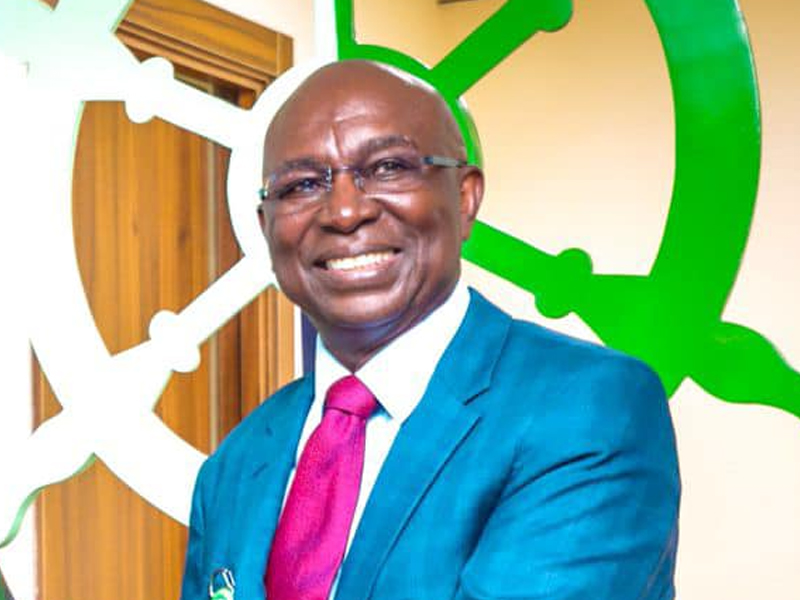
In response to the demand for transparency, NIMASA Director-General Dr. Dayo Mobereola highlighted the agency’s transition toward full automation.
- Blocking Leakages: A primary pillar of the 2026 roadmap is the MOKOSA platform, a digital revenue collection system designed to secure government remittances and eliminate manual interference.
- Operational Efficiency: Beyond revenue, the automation covers ship registration and certificate issuance, aiming to make Nigerian maritime processes “Industrially Vibrant” and globally competitive.
- Institutional Harmony: Historically, opacity in revenue tracking was a major concern; however, this recent engagement underscores a shift toward a “Transparent and Tech-Enabled” administrative culture.
3. Revitalizing Indigenous Shipping: The CVFF Relaunch
Furthermore, the partnership focuses on empowering local operators through the Cabotage Vessel Financing Fund (CVFF), which was successfully relaunched in January 2026.
- Bank-Led Framework: To ensure “Fiscal Integrity,” the fund now operates under a stricter, bank-driven model where financial institutions assess risks and guarantee repayments before disbursement.
- Local Content Support: The DG disclosed that over 60 applications from indigenous firms are currently being processed, signaling a shift toward “Domesticated Maritime Growth.”
- Global Influence: This internal strengthening coincides with Nigeria’s return to the International Maritime Organization (IMO) Council after 14 years, a milestone that bolsters the nation’s “Soft Power” in global maritime governance.
Summary of the House Committee and NIMASA Partnership
In conclusion, the collaboration between the House of Representatives and NIMASA is a firm promise to transform Nigeria into a premier maritime hub in West Africa. Therefore, the agency is expected to provide quarterly performance updates to the committee to ensure ongoing “Policy Alignment.” This move also proves that “Legislative Oversight and Executive Innovation” are the most effective tools for industrial recovery. Thus, the journey toward a more prosperous and “Blue Economy” continues with every reform implemented under this new accountability framework.