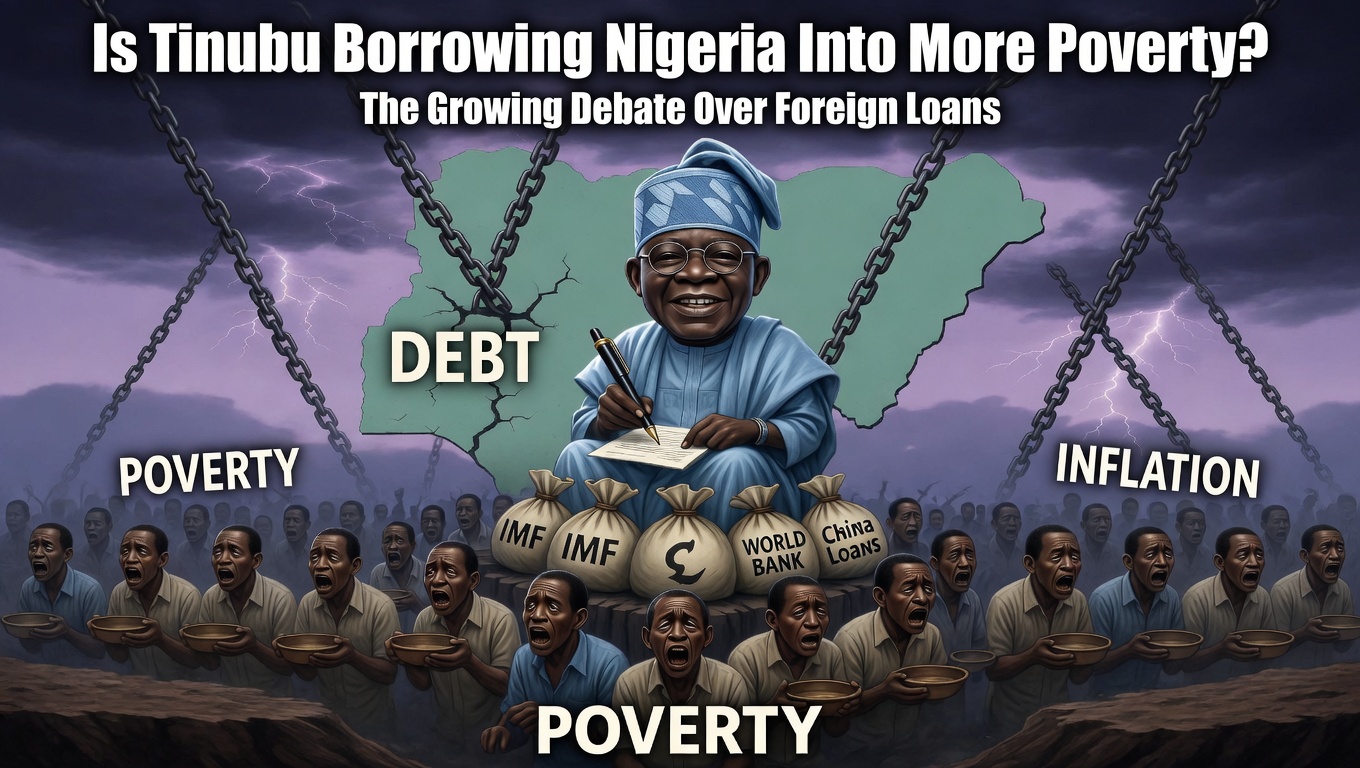
President Bola Ahmed Tinubu has continued to face criticism over Nigeria’s increasing dependence on foreign loans, especially from institutions like the World Bank. Across social media and political discussions, many Nigerians have accused the administration of pushing the country deeper into debt at a time when citizens are already struggling with inflation, fuel price hikes, and economic hardship.
For critics, the situation appears alarming. They argue that while ordinary Nigerians battle rising living costs, the government keeps announcing fresh borrowing plans without showing enough visible improvement in the economy. Some opposition voices have even described the current borrowing trend as “economic gambling,” warning that future generations may be left to carry the burden.
These concerns have fueled a growing online narrative suggesting that the Tinubu administration may be prioritizing loans over long-term financial stability.
Why The Tinubu Administration Defends The Borrowing
Despite the criticism, officials within the presidency strongly reject the claim that the government is borrowing recklessly. According to aides and economic advisers close to the administration, much of the online outrage is politically driven and fails to explain the actual purpose behind the loans.
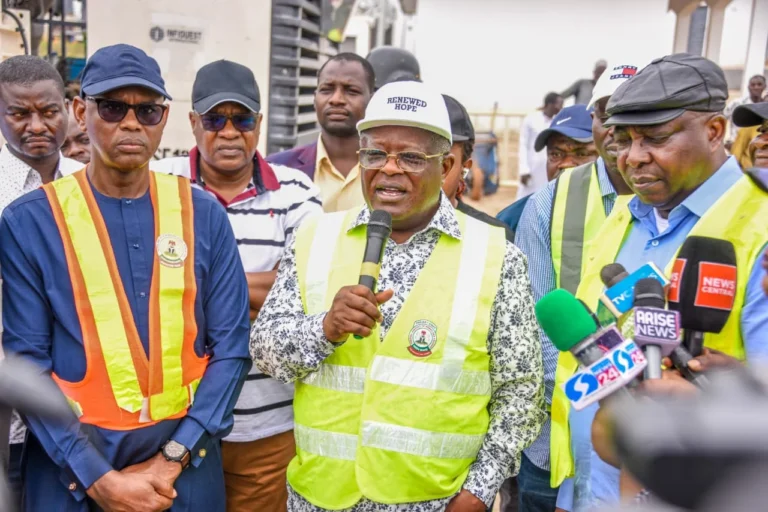
Government officials insist that many of the foreign loans being secured are tied directly to capital and infrastructure projects designed to stimulate economic growth. From transportation and road construction to healthcare, agriculture, energy, and digital infrastructure, the administration argues that Nigeria cannot modernize without major financial investment.
Supporters of the government also point out that borrowing is a common economic strategy used by developing nations worldwide. In their view, the important issue is not whether Nigeria borrows, but how effectively the funds are invested and managed.
Tinubu Foreign Loans – Infrastructure Projects At The Center Of The Debate
The Tinubu administration continues to emphasize that Nigeria’s infrastructure deficit remains one of the country’s biggest obstacles to development. Poor road networks, unstable electricity, weak transportation systems, and inadequate public facilities have long slowed economic growth and discouraged investors.
Officials believe these challenges cannot be solved without access to long-term financing from global institutions. According to government insiders, several of the World Bank-backed projects are expected to create jobs, improve productivity, and strengthen sectors critical to Nigeria’s economy.
The administration also argues that some of the painful economic reforms introduced under Tinubu, including subsidy removal, were intended to free up resources that can eventually support national development projects.
Tinubu Foreign Loans – Why Many Nigerians Remain Skeptical
Even with these explanations, many Nigerians remain unconvinced. Years of abandoned projects, corruption allegations, and unfulfilled political promises have created deep public distrust whenever new loans are announced.
For some citizens, the fear is not necessarily the borrowing itself, but whether the funds will truly translate into visible development. Critics argue that Nigerians have repeatedly heard promises about infrastructure and economic transformation from previous administrations, yet many communities still lack basic amenities.
This skepticism continues to strengthen online campaigns portraying the government’s borrowing strategy as dangerous and unsustainable.
Conclusion
While critics continue to frame Tinubu’s borrowing strategy as reckless, the administration insists the loans are necessary investments aimed at rebuilding critical sectors of the economy. The truth may lie somewhere in between.
Borrowing alone does not automatically destroy an economy, just as infrastructure promises alone do not guarantee development. What ultimately matters is transparency, accountability, and whether these projects genuinely improve the lives of ordinary Nigerians.
For President Tinubu, the real challenge is no longer simply defending the foreign loans. The administration must now prove that the borrowed funds will produce visible results capable of justifying the growing debt concerns among Nigerians.