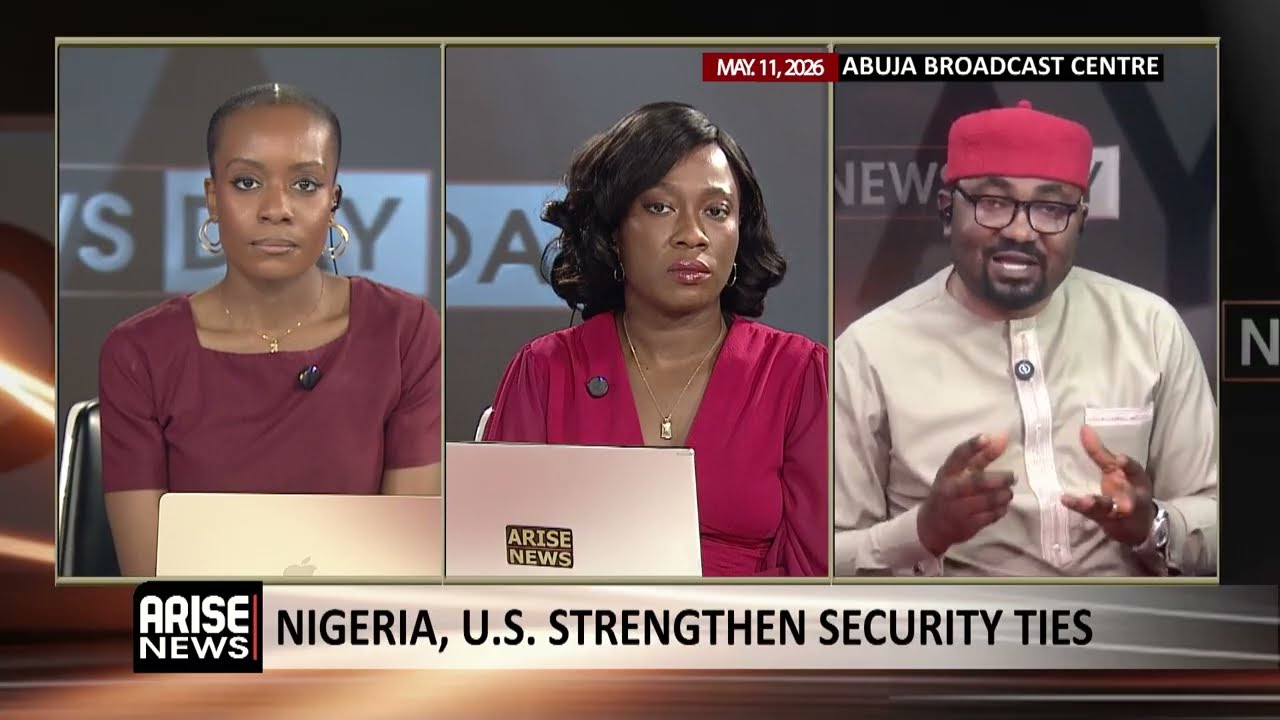
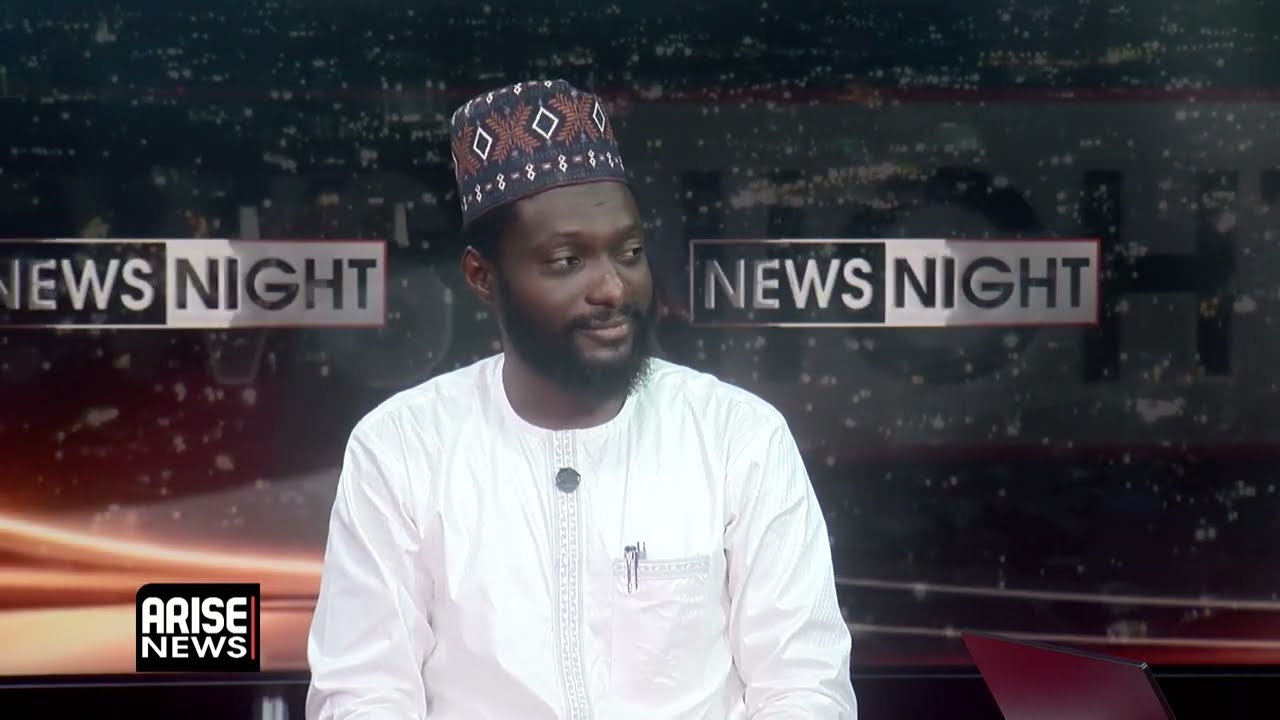
Professor of Political Science and International Relations, and Directing staff, National Institute for Security Studies, Professor Muktar Imam has weighed in on the ongoing France–Africa Summit holding in Kenya, offering a critical assessment of long-standing relations between France and its former African colonies. He argued that France–Africa relations have historically been one-sided, with benefits skewed heavily in France’s favour despite repeated claims of partnership and mutual cooperation.
Speaking in an interview with ARISE NEWS on Monday, Prof. Imam said:
“Reality is these relationships have never been mutually beneficial. It has always been one-sided. It is always a relationship where there is one party trying to ensure that it takes advantage of the relationship to its benefit. Look at the investment of France in Africa, particularly Nigeria, it is always one that tends to benefit France,” he explained.
Speaking on the evolving geopolitical dynamics on the African continent, Professor Imam noted that France is currently attempting to reposition itself amid growing competition from global powers such as China, Turkey, and Gulf states.
“The whole idea is to ensure that France continues to maintain the relationship with Africa. So what we’re witnessing is, first of all, a recasting or a recoloring of the France-Africa summit and trying to position it within the context of it being held on African ground. The crux of the entire thing is to continue to project the image of France, given the large influence that countries like Turkey, China, including Saudi Arabia and even Qatar, are trying to wield on the African continent. And so France sees itself at a crossroads and, of course, this is a power that is trying to re-engineer itself within the global space to ensure that it continues to wield the power it used to in the past, in the eras of the 17th and 18th century. And so to answer the question point-blank, this is France trying to find an inroad back into the African continent, especially from the Anglophone-speaking part of Africa,” he said.
He described this as part of a broader “new scramble for Africa,” where external actors are increasingly seeking economic and strategic influence across the continent.
“As we all know, there’s a new scramble for Africa currently undergoing, which we’ve dubbed the ‘scramble for Africa 2.0.’”
Professor Imam stressed that African states must renegotiate their role in global diplomacy from a position of confidence, not dependency. He said outcomes in international relations depend on each side’s leverage, warning that unequal footing leads to unequal results.
“Diplomacy is about bargaining. And that’s why often at times we refer to it as ‘diplomatic bargaining.’ What you bring to the table, your bargaining chip, is what will earn you something from that table. And you must bargain. But you’re bargaining either from a position of strength, a position of weakness, or no position at all. And so it’s high time that leaders from the African continent begin to see themselves meeting leaders of other countries or continents as kings meeting kings, so that the relationship can be that of mutual benefit rather than go cap-in-hand begging,” he urged.
On the choice of Kenya as host country for the summit, Professor Imam suggested it was a strategic decision influenced by both political and economic considerations.
“I do believe that this was strategically picked. Kenya, speaking to Kenya, was strategically picked. And perhaps trying to ensure that France galvanises the countries in the East and the countries in the West.
“You would see that when you look at the theme of the summit, it is essentially centered around investment, centered around climate change, centered around technology and so on and so forth. The tech aspect of it is central to the conversation. And when you look around the continent today, you would find that countries like Kenya, countries like Rwanda are at the lead or in the forefront when it comes to fintech, when it comes to tech in general. And so perhaps these were some of the considerations given.
“Nonetheless, I still believe that it was strategically picked and it would have been through lobby, it would have been through a lot of backdoor channels and so on and so forth. And perhaps Kenya had the biggest push. Perhaps Kenya had the biggest stake. So all of these are things that are put into consideration when conversations like these are had,” he concluded.
Favour Odima.