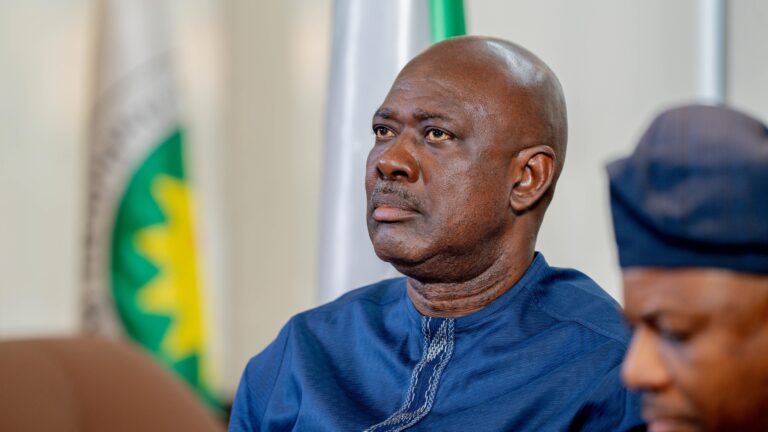

Nigeria has begun plans to evacuate its citizens from South Africa who are willing to return home, following renewed concerns over attacks on foreign nationals that officials fear could escalate if not urgently addressed.
Minister of Foreign Affairs, Bianca Odumegwu-Ojukwu, disclosed that at least 130 Nigerians have already registered for voluntary repatriation, with expectations that more may come forward in the coming days. The initiative, she explained, is part of efforts to prioritise the safety of Nigerian citizens amid rising anti-immigrant tensions in the host country.
The minister conveyed the concern of President Bola Tinubu, who has strongly condemned the violence, as well as demonstrations marked by xenophobic rhetoric and anti-migrant sentiments. She emphasised that Nigeria would not tolerate a situation where its citizens and their businesses are persistently exposed to harm.
In a diplomatic move underscoring the seriousness of the situation, Nigeria has summoned South Africa’s acting High Commissioner, signalling its intention to formally express “profound concern” over recent developments. According to the Ministry of Foreign Affairs, discussions scheduled for Monday will centre on anti-immigrant protests and documented cases of harassment, violence, and destruction of Nigerian-owned businesses.
Odumegwu-Ojukwu reiterated the government’s demand for justice, citing the killing of two Nigerians in separate incidents allegedly involving local security personnel. “To this end, arrangements are underway to compile a comprehensive register of Nigerians in South Africa and facilitate voluntary evacuation flights for those seeking to return,” she said.
The development comes amid reports that other African nationals have also been targeted. Local media indicate that four Ethiopian citizens have been killed in recent weeks, alongside incidents involving migrants from other countries.
President Cyril Ramaphosa has condemned the attacks but urged foreign nationals to comply with local laws. In a recent address marking South Africa’s first democratic elections in 1994, he also reminded citizens of the support other African nations extended during the anti-apartheid struggle.
Despite such appeals, anti-immigrant groups have intensified their activities, reportedly stopping individuals near public institutions to demand identification documents. During protests in Pretoria, some foreign-owned businesses were advised to shut down over fears of violence.
The issue has also drawn regional attention. Ghana recently summoned South Africa’s envoy following a widely circulated video showing a Ghanaian national being confronted over his immigration status.
Official data indicate that South Africa hosts about 2.4 million documented migrants—just under four per cent of its population—though the actual number is believed to be higher. Most migrants originate from neighbouring countries such as Lesotho, Zimbabwe, and Mozambique, with a smaller but visible Nigerian community.
Melissa Enoch