

Recent actions by Nigeria’s police leadership may signal a turning point in the fight against extrajudicial killings, with growing indications that accountability within the force is being taken more seriously.
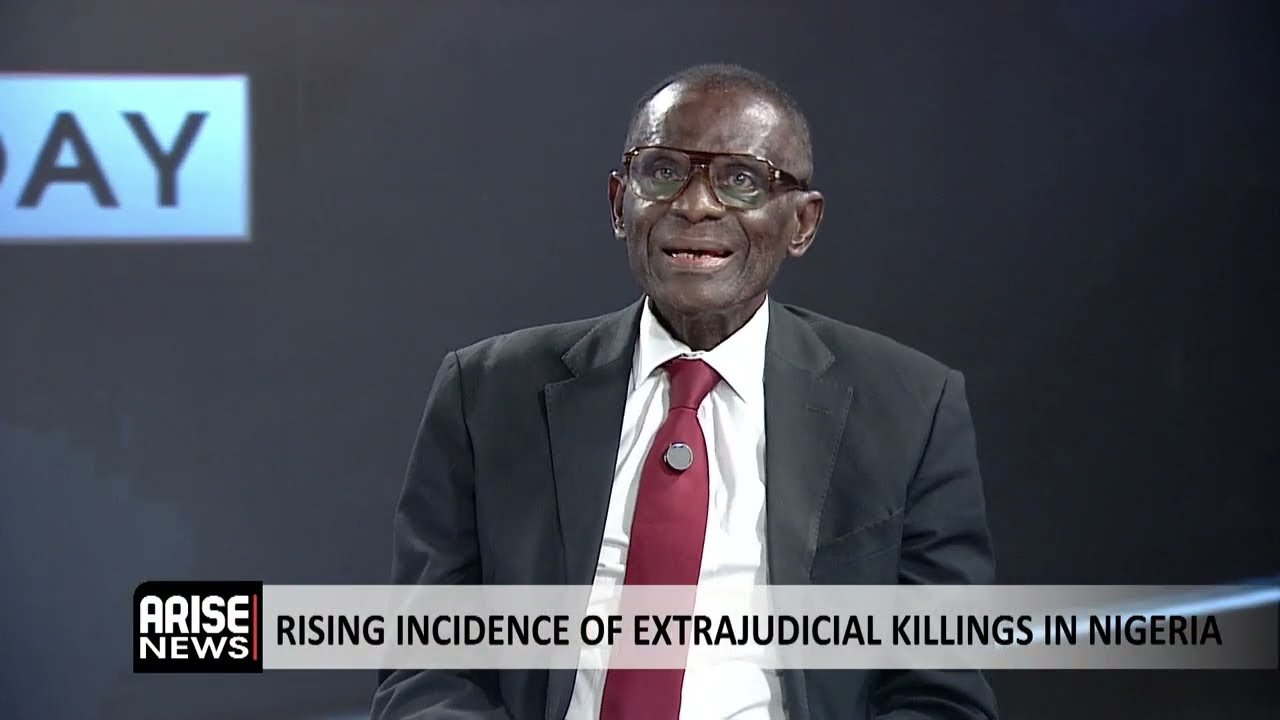
Speaking in an interview with ARISE News, analyst Dayo Sobowale described the Inspector General’s response to a viral police brutality case as a significant step toward justice.
“I like the way the Inspector General has handled it… they will face a criminal trial for homicide,” he said, noting that such decisive action is rare at that level.
He emphasized that the move sends a strong message across the police hierarchy, particularly in a system where officers have often escaped accountability.
“Police people invariably cover up themselves… but this is a strong message,” he stated, adding that it challenges the long-standing culture of impunity.
According to him, the development marks a broader shift within the force, declaring that “the age of impunity is coming to an end.”
Sobowale noted that the decision to subject the officers to due process, rather than immediate dismissal alone, strengthens the credibility of the action.
“He is following due process… they were tried… then they will be prosecuted,” he said, stressing that proper legal procedures enhance deterrence.
The analyst also highlighted the role of public accountability, particularly through digital platforms, in exposing abuses that might otherwise go unnoticed.
“Social media is very active in Nigeria… you will see an avalanche of reporting,” he said, suggesting that increased visibility could drive further reforms.
He further explained that whistleblowing will be crucial in sustaining this momentum, especially for cases that lack video evidence.
“If we want to uproot total corruption… we need whistleblowers,” he added.
Sobowale concluded that while challenges remain, consistent enforcement of accountability and adherence to due process could gradually rebuild public trust and ensure that law enforcement officers are no longer seen as being above the law.
By Ojo Triumph