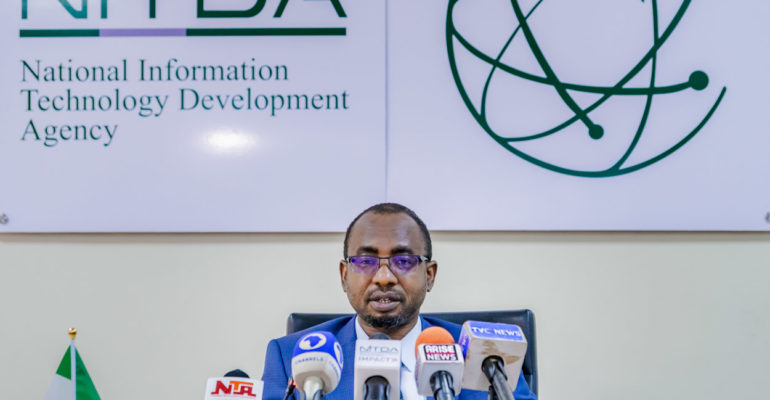
The Director-General of the National Information Technology Development Agency (NITDA), Kashifu Inuwa Abdullahi, has called for a deliberate and responsible approach to shaping Africa’s digital future. Speaking through a representative at the Living Digitally Well Africa Summit 2026 in Abuja on Wednesday, April 15, 2026, Inuwa emphasized that citizens must act as “active architects” of a people-centered digital ecosystem. This call to action aligns with a growing push by experts for “Afrocentric Digital Wellness” models that prioritize local cultural values over imported frameworks.
NITDA DG – Shaping Africa’s Digital Architecture
The primary objective of Inuwa’s message was to underscore the urgency of building a digital future that is both wise and responsible. As the continent navigates rapid technological expansion, the NITDA DG noted that Africans are no longer merely beneficiaries but creators. Key highlights from his address included:
- Digital Literacy as a Survival Skill: Disclosing ongoing collaboration with the Ministry of Education to integrate digital literacy into school curricula from primary to junior secondary levels.
- Responsible Habit Formation: Warning that unexamined digital habits are contributing to cognitive fatigue and rising mental health concerns across the workforce.
- Human-Centric Innovation: Reaffirming NITDA’s commitment to the Strategic Roadmap and Action Plan (SRAP 2.0), which targets 95% digital literacy by 2030.
The Push for Afrocentric Digital Wellness
A central theme of the two-day summit was the rejection of Eurocentric frameworks that fail to reflect African social structures. Co-convener Oluwatosin Olabode and other experts argued that digital wellness solutions must reflect Africa’s unique realities. The summit proposed:
- The “Ubuntu” Model of Resilience: Keynote speaker Craig DeLarge identified the principle of interdependence (Ubuntu) as essential to safeguarding the mental well-being of younger populations.
- Mental Sovereignty: Expert Victor Prince Dickson urged workers to reclaim their “mental sovereignty,” defined as the capacity to set clear boundaries in digitally saturated environments.
- Indigenous Contextual Realities: Rejecting the passive adoption of global systems in favor of models grounded in extended kinship and community support.
A Backstory of Institutional Transformation
The current focus on digital wellness follows a year of significant institutional growth for NITDA. This backstory of transformation explains why the agency is now prioritizing the “Psychological Flourishing” of citizens alongside technical connectivity. Historically, digital interventions in Nigeria focused primarily on infrastructure; however, this historical context underscores the significance of the “Living Digitally Well” movement as a necessary evolution.
Consequently, the NRS and other social monitoring bodies view this shift as a vital component of the Renewed Hope agenda. By addressing the “human element” of technology, the government aims to build a more resilient and productive workforce. This shift marks the transition from a “Connectivity-First” strategy to a more “Well-being-First” approach to national development.
NITDA DG: Building the “Life Jacket” for the Digital Ocean
Looking ahead, NITDA plans to expand its Digital Literacy for All (DL4ALL) initiative to reach underserved rural communities by late 2026. Expert Collince Dundo described the digital world as a “roaring ocean,” noting that while children cannot be kept from it, they must not be sent without a “life jacket” of foundational literacy. Therefore, the outcomes of the 2026 summit will serve as a blueprint for future policy design.
With the continued support of the President and international partners, NITDA is proving that Africa can lead its own digital transformation. The commitment of the NITDA DG Kashifu Inuwa Abdullahi to “Responsible and Inclusive Growth” remains the driving force behind these initiatives. For the people of Nigeria, the push for digital wellness represents a firm promise that technology will serve humanity, rather than the other way around. The journey toward a “Sovereign Digital Future” continues with every cultural value integrated and every habit examined.