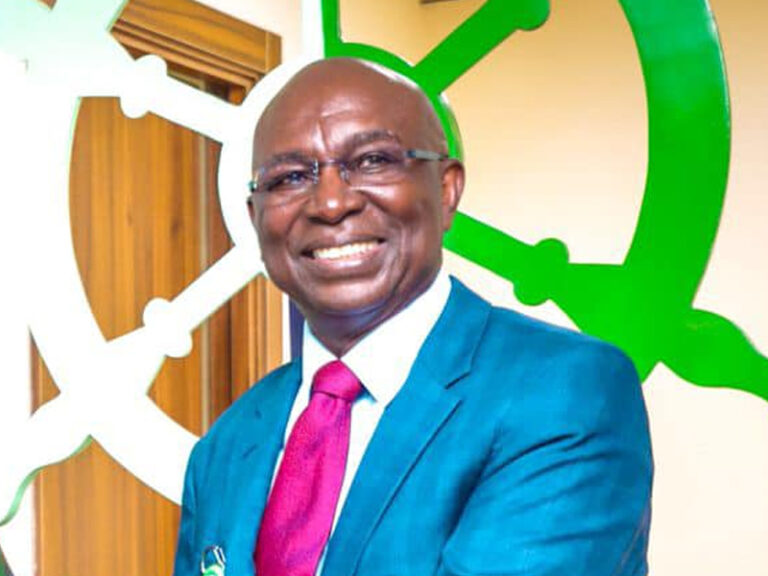

The Managing Director/CEO of the Rural Electrification Agency (REA), Dr. Abba Aliyu, has issued a stark warning regarding the economic toll of Nigeria and the power crisis. Speaking in Abuja in late April 2026, Aliyu described the situation as an “economic emergency,” revealing that the nation loses an estimated $29 billion annually—roughly 2% of its GDP—to power shortages.
His remarks highlight the “Productive” urgency required to fix a system that continues to undermine industrial growth and social development.
1. The “Hidden Tax” on the Economy
Dr. Aliyu noted that the lack of reliable power acts as a weight on every sector of the Nigerian economy.
- Operating Costs: Businesses and hospitals are forced to rely on expensive diesel generators, which Aliyu termed “economic haemorrhages” that drain capital away from expansion and care.
- Household Impact: Over 19 million people remain underserved, leaving millions of families to rely on costly and polluting alternatives like candles and small petrol generators.
- Productivity Gap: From small enterprises to large-scale manufacturers, the “Blackout Crisis” limits operational hours and reduces the global competitiveness of Nigerian-made goods.
2. REA’s Strategic Shift: Scaling Mini-Grids
To stem this haemorrhage, the REA is aggressively pivoting toward decentralized energy as a “Sovereign Stability” measure.
- Bypassing the Grid: Aliyu emphasized that mini-grids are no longer in the “pilot stage” but are now a bankable, viable backup that bypasses the recurring failures of the national grid.
- New Capacity Thresholds: Following the release of updated NERC regulations in April 2026, REA can now fast-track mini-grids with capacities up to 10MW, a move Aliyu calls a “historic turning point.”
- The 50 Mini-Grid Goal: The agency is currently deploying 50 interconnected mini-grids designed to inject 280 megawatts of reliable power into specific economic clusters.
3. Challenges: The Financing Gap
Despite the technological readiness, Dr. Aliyu identified financing as the ultimate hurdle to ending the blackout crisis.
- Capital Requirement: Scaling off-grid solutions to meet national demand requires a massive volume of long-term, affordable capital that currently exceeds available federal budgets.
- International Integrity: This call for investment comes amidst a push for “Fiscal Integrity” within the agency, following recent legislative oversight into the management of renewable energy grants from the World Bank and African Development Bank.
Summary of the Nigeria Power Crisis
In conclusion, Dr. Abba Aliyu’s “Haemorrhaging” alarm is a firm promise that the status quo is no longer sustainable. Therefore, the REA’s focus on mini-grid decentralization represents the most practical path toward “Energy Sovereignty.” This move proves that “Indigenous Engineering” and private sector capital are the most effective tools for stopping the $29 billion leak. Thus, the journey toward a more “Industrially Vibrant” and electrified Nigeria continues with a renewed sense of economic urgency.