In certain social silos, it is common to hear uncomplimentary comments about Nigeria’s unity and the chances of bridging the fault lines. Yet, since assuming office, President Bola Ahmed Tinubu has pursued a deliberate and multi-dimensional national unity agenda aimed at strengthening the bonds that hold Africa’s most populous nation together.
At the heart of Tinubu’s approach is the belief that unity is not just a slogan but a practical necessity for development. His administration has focused on policies that promote inclusiveness, equity, and shared prosperity across all geo-political zones.
Infrastructure as a Tool for Unity
One of the most visible aspects of President Tinubu’s unity agenda is the massive investment in infrastructure that connects different parts of the country. Projects such as the Lagos-Calabar Coastal Highway, the Calabar–Ebonyi–Abuja Superhighway, and several legacy roads are breaking down physical and economic barriers. These initiatives are designed to foster trade, mobility, and interaction among Nigerians from diverse backgrounds, reducing the sense of isolation often felt in some regions.
By linking the South to the North and the East to the West, these projects are creating a more integrated national economy. Farmers in the North can more easily move produce to markets in the South, while manufacturers in the South can access raw materials from other zones with less difficulty.
Inclusive Appointments and Representation
President Tinubu has also prioritised inclusive appointments. His cabinet and key government positions reflect a conscious effort to give every region a sense of belonging. From security to economy, education to infrastructure, competent Nigerians from different ethnic and religious backgrounds have been given strategic roles. This approach sends a clear message that competence and loyalty to the nation matter more than sectional interests.
Security, Peacebuilding, and Social Cohesion
Recognising that unity cannot thrive in an atmosphere of fear, the President has strengthened security operations across the country. The military and police have recorded notable successes against insurgents, bandits, and kidnappers in various regions. At the same time, the administration has supported dialogue and reconciliation efforts in conflict-prone areas, particularly in the North Central and South East.
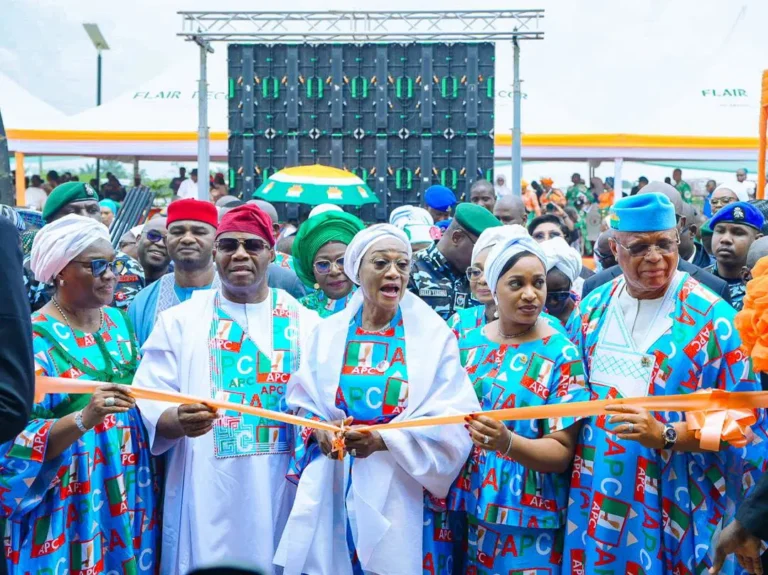
The Renewed Hope Initiative, led by the First Lady Senator Oluremi Tinubu, has also played a vital role in promoting social cohesion. Through women and youth empowerment programmes, skills acquisition, and support for vulnerable groups, the initiative is helping to reduce inequality and build bridges across communities.
Economic Reforms for Shared Prosperity
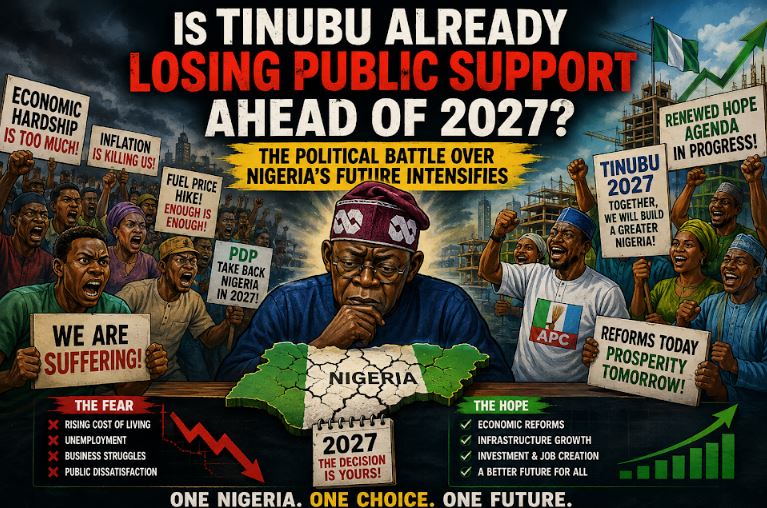
President Tinubu’s economic reforms, though tough in the short term, are aimed at creating a more sustainable and diversified economy that benefits all Nigerians. By removing long-standing distortions such as fuel subsidies and multiple exchange rates, the administration seeks to redirect resources toward productive sectors that can generate jobs and wealth nationwide.
The President has repeatedly called for unity in the face of these reforms, urging Nigerians to see beyond immediate difficulties and focus on the bigger picture of a stronger, self-reliant nation.
Conclusion
President Tinubu’s national unity agenda is not built on mere rhetoric but on deliberate actions — connecting regions through infrastructure, ensuring fair representation, strengthening security, and pursuing economic reforms for shared prosperity. While challenges remain, his administration continues to promote the idea that “United We Stand” is more than a slogan; it is the foundation upon which a greater Nigeria can be built. As the country moves forward, the success of this agenda will depend on the collective commitment of all citizens to rise above division and work together for a common future.